Games
Here are the games I’ve been developing lately (well, mostly vibecoding), starting with my original projects (check PROJECT MEGAPOP) and followed by browser ports of old Amiga games.
Original games
MegaPop allows you to guide a semi-autonomous civilization to a dangerous technological future. But what about shaping a planet and make it habitable? Stay tuned for my next games!
MegaPop
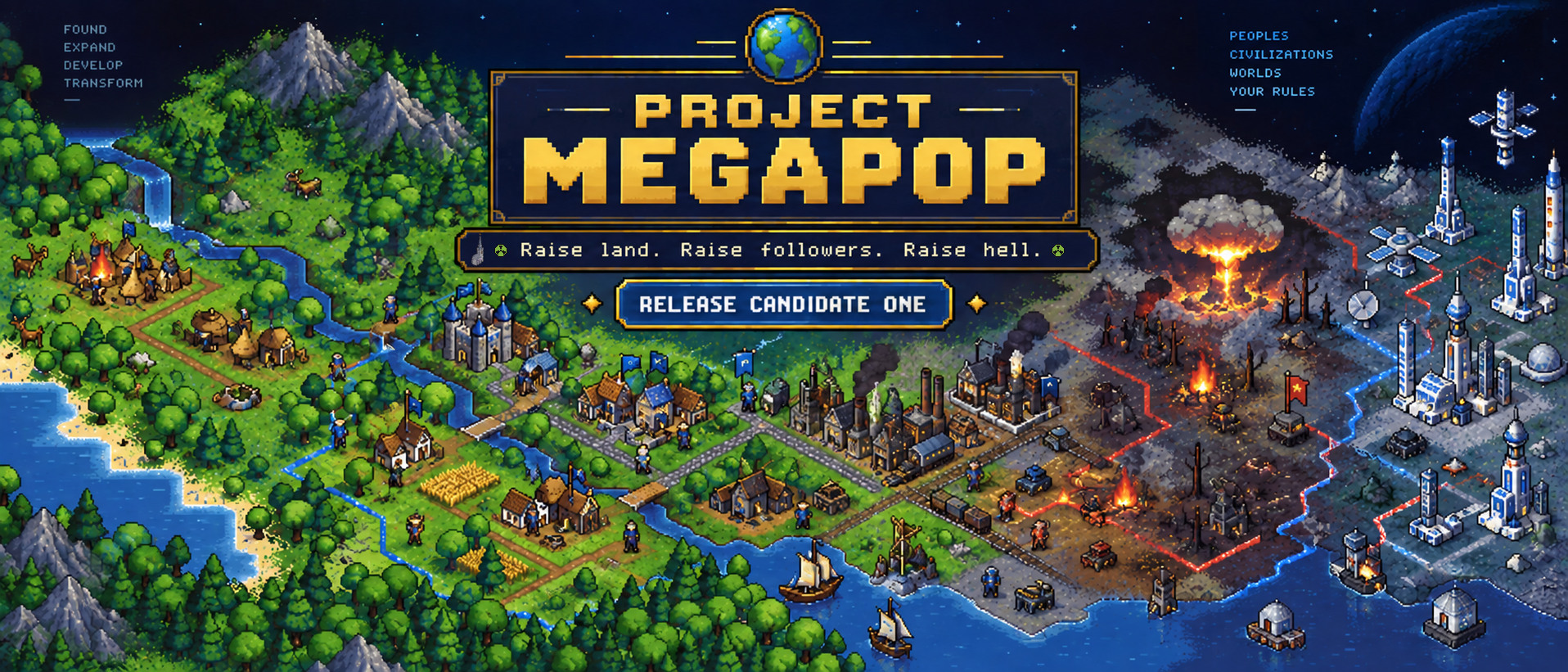
My first, original, fully released project!. PROJECT MEGAPOP is a retro-inspired god game where you guide a semi-autonomous civilization from primitive settlements to a dangerous technological future. Shape the land, influence your people, uncover local resources, push research forward, build industry, wage wars, and unleash divine powers as the world evolves around you. Every mountain moved, city founded, resource discovered, and war fought can change the course of history. And by the time your followers reach the nuclear age, they may have become powerful enough to survive without you… or destroy everything you helped them build. Think Populus meets Mega-lo-Mania!
Here is the full RC1 version. For multiplayer you have to download the zip and launch tools/serve.py (but check DEPLOY.md for details).
The Mysterious Island: Castaways
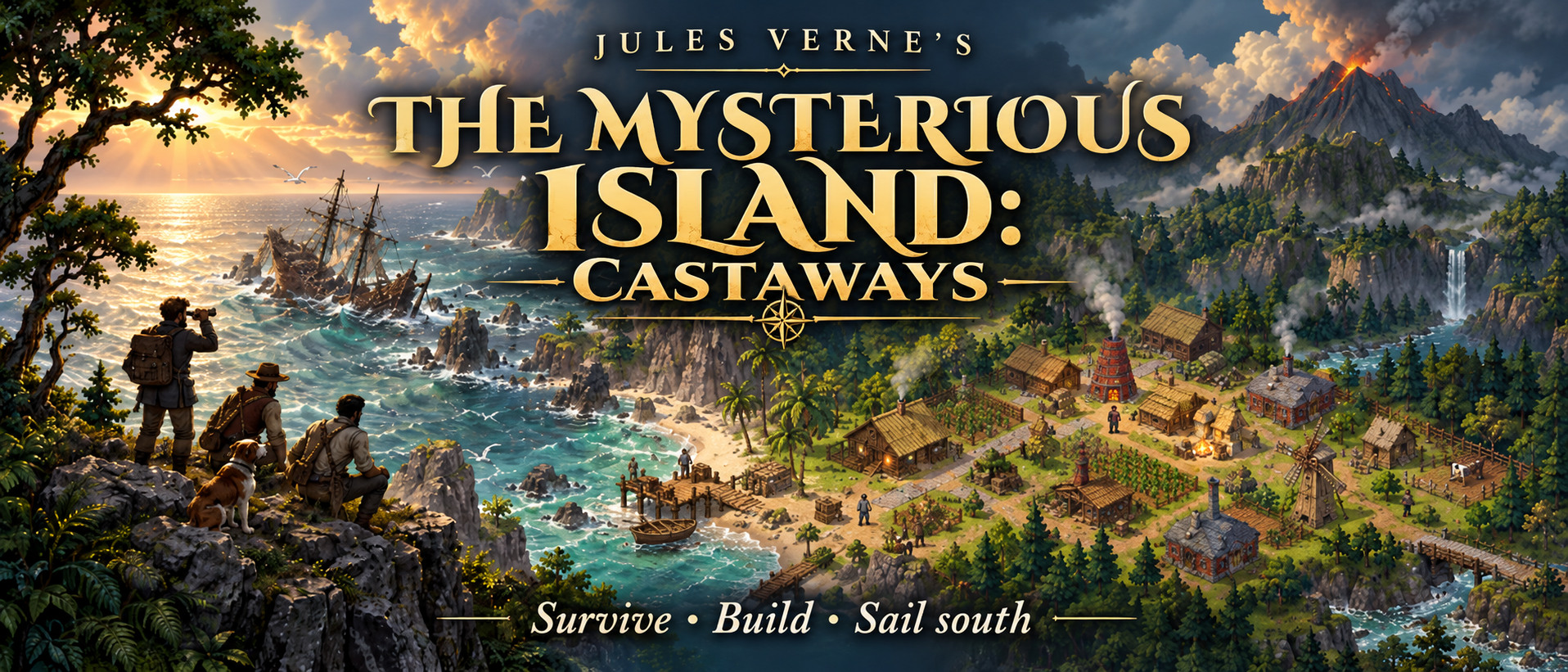
My second, original, fully released project!. 1865. Five Union prisoners escape by balloon and are flung onto an uncharted island in the South Pacific, with nothing but the clothes on their backs. Lead Cyrus Smith’s castaways from bare survival to a Victorian colony with forges, farms, a telegraph and a home carved into Granite House. Uncover the island’s secrets before the volcano tears it apart. Then build a ship and sail south through five more islands, from fever jungles to the Antarctic ice, against pirates, mutineers and the sea itself. A hand-crafted colony saga after Jules Verne. Free to explore, hard to survive, impossible to forget.
Here is the full version.
The Moon That Forgot
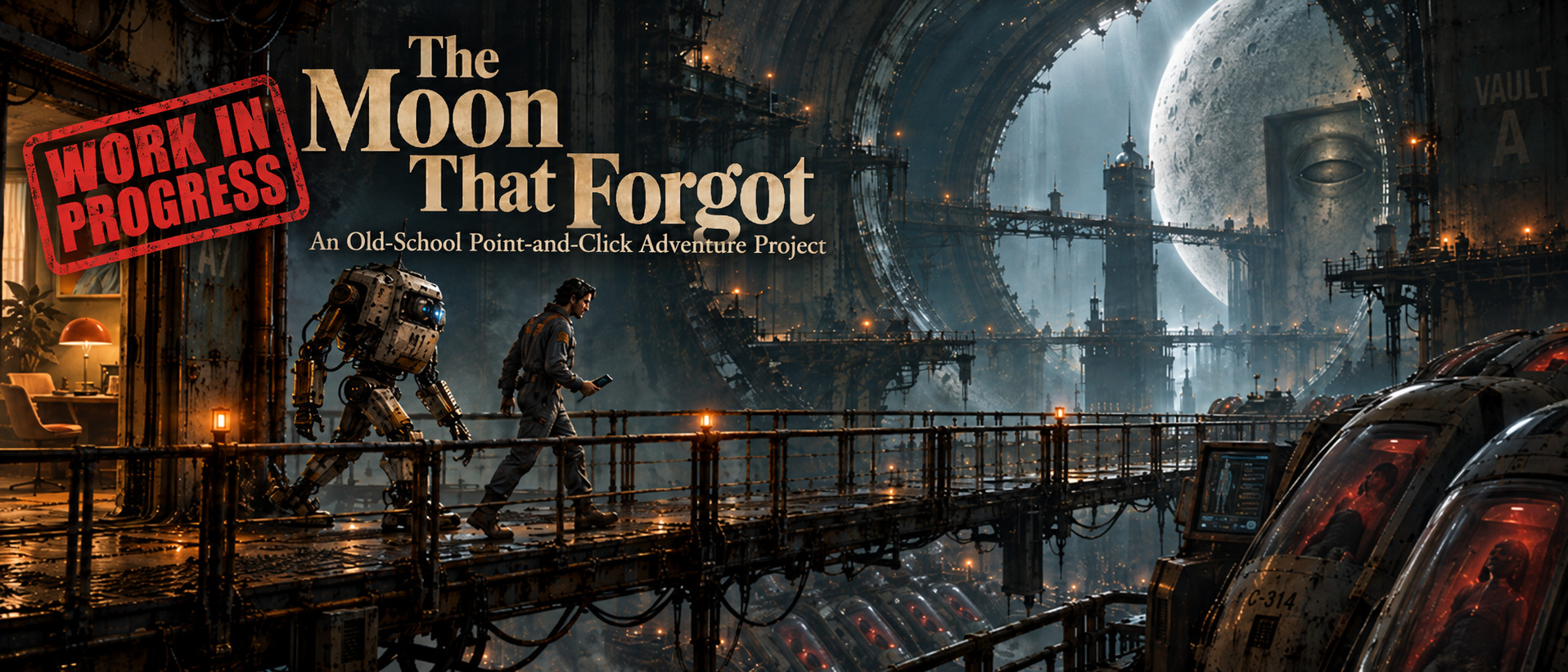
The Moon That Forgot is a work-in-progress retro point-and-click adventure based on my novel of the same name. You wake inside a dying Ark with no clear memory of how long you’ve been asleep, accompanied only by a damaged maintenance robot named M7. Explore, talk, investigate, combine objects, and solve increasingly strange machine-logic puzzles as you uncover what happened to the sleepers, what the Ark has become, and what is still moving beyond its walls.
I am vibecoding the adventure game editor, tools to turn images into pixel art, background matting, de-spilling colors, closing animation loops, and using image gen, video gen and musicgen to generate almost all art assets.
This is really very early, I still don’t like some rooms (especially the starting one). It’s mostly a proof of concept of what I can do with the asset and pipelines coded.
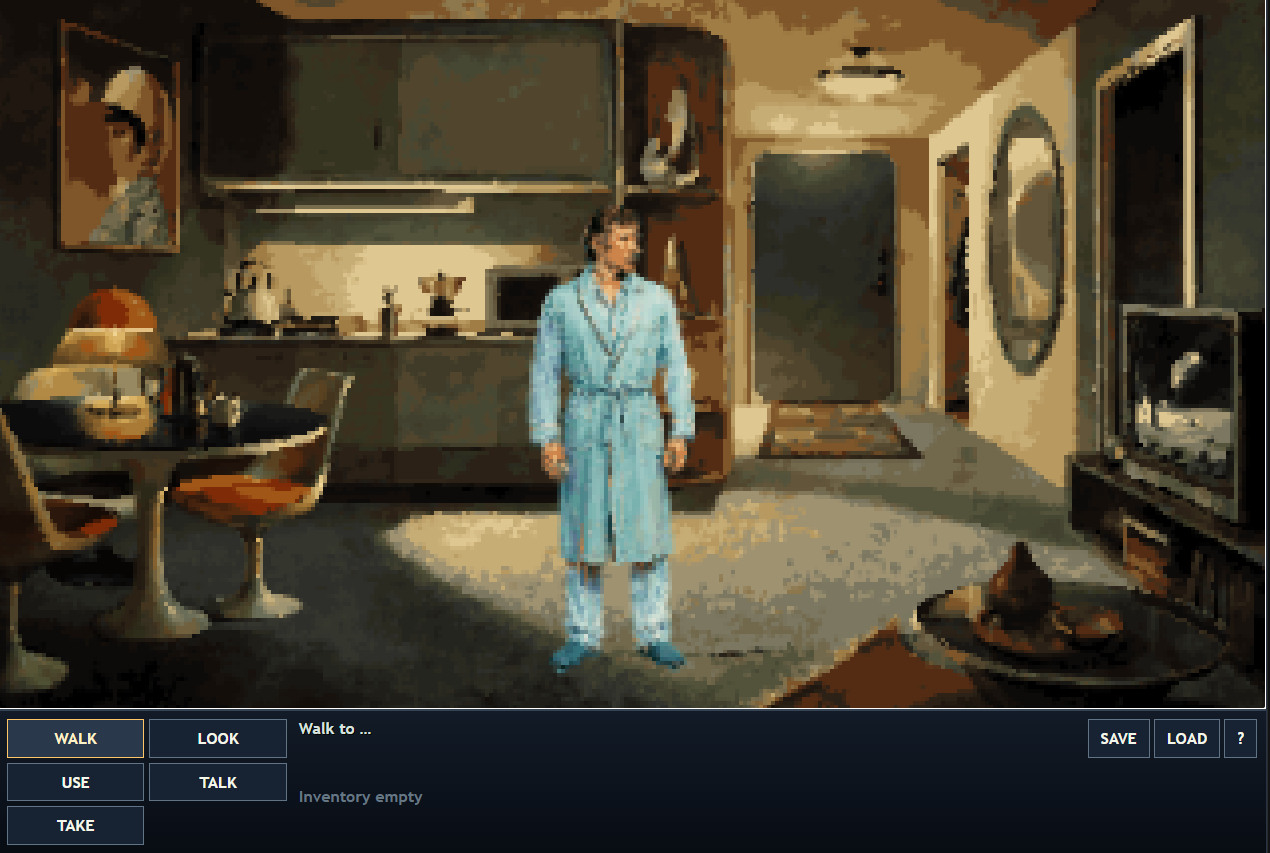
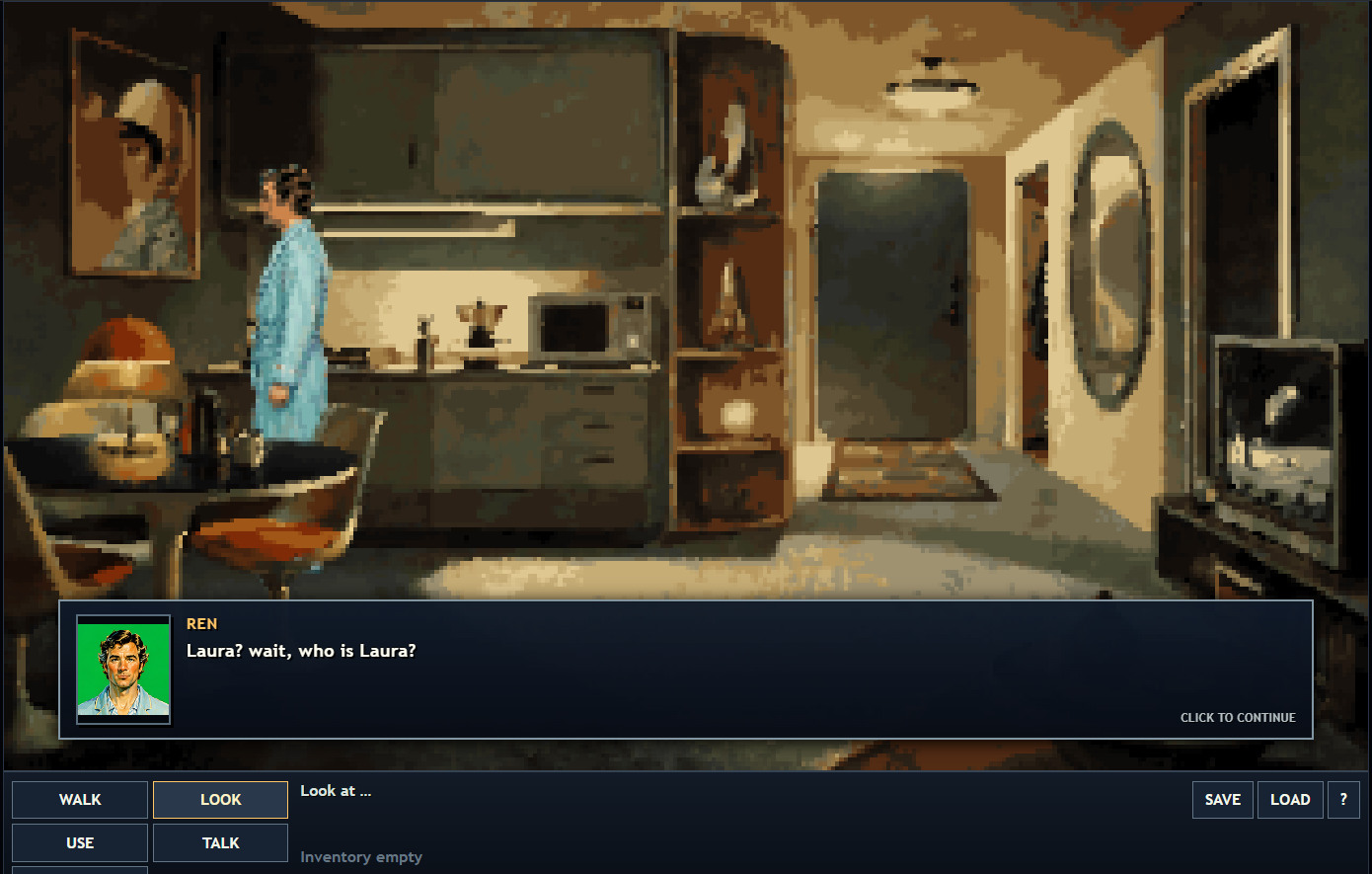
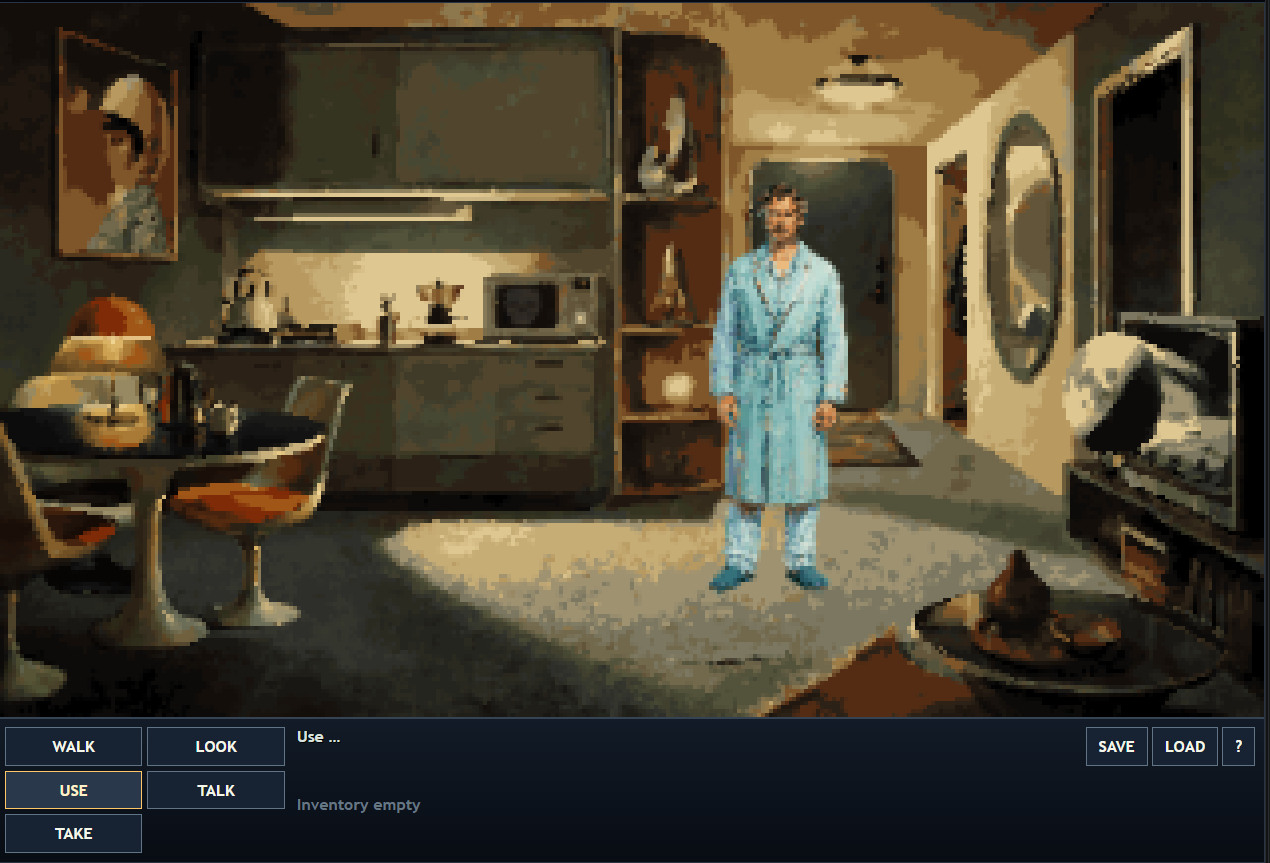
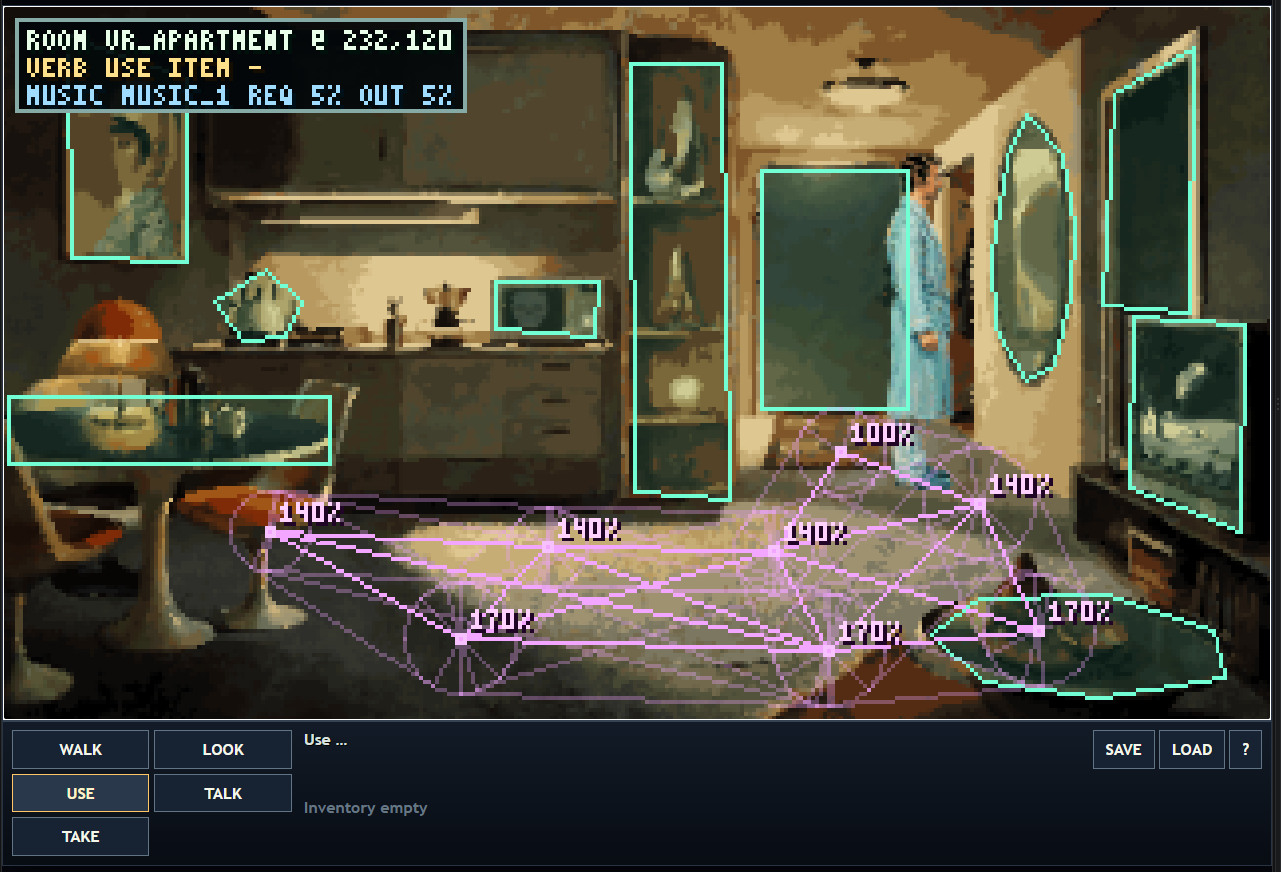
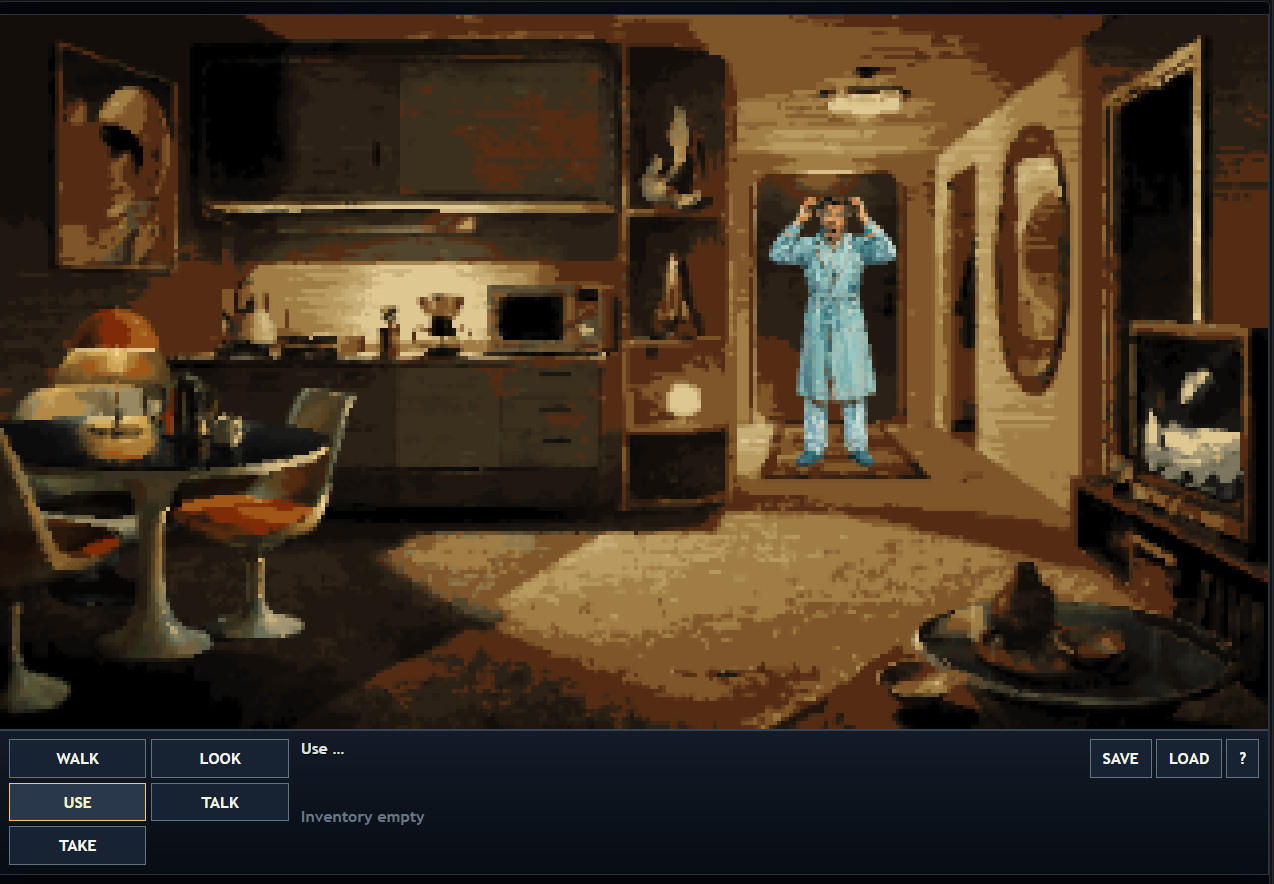
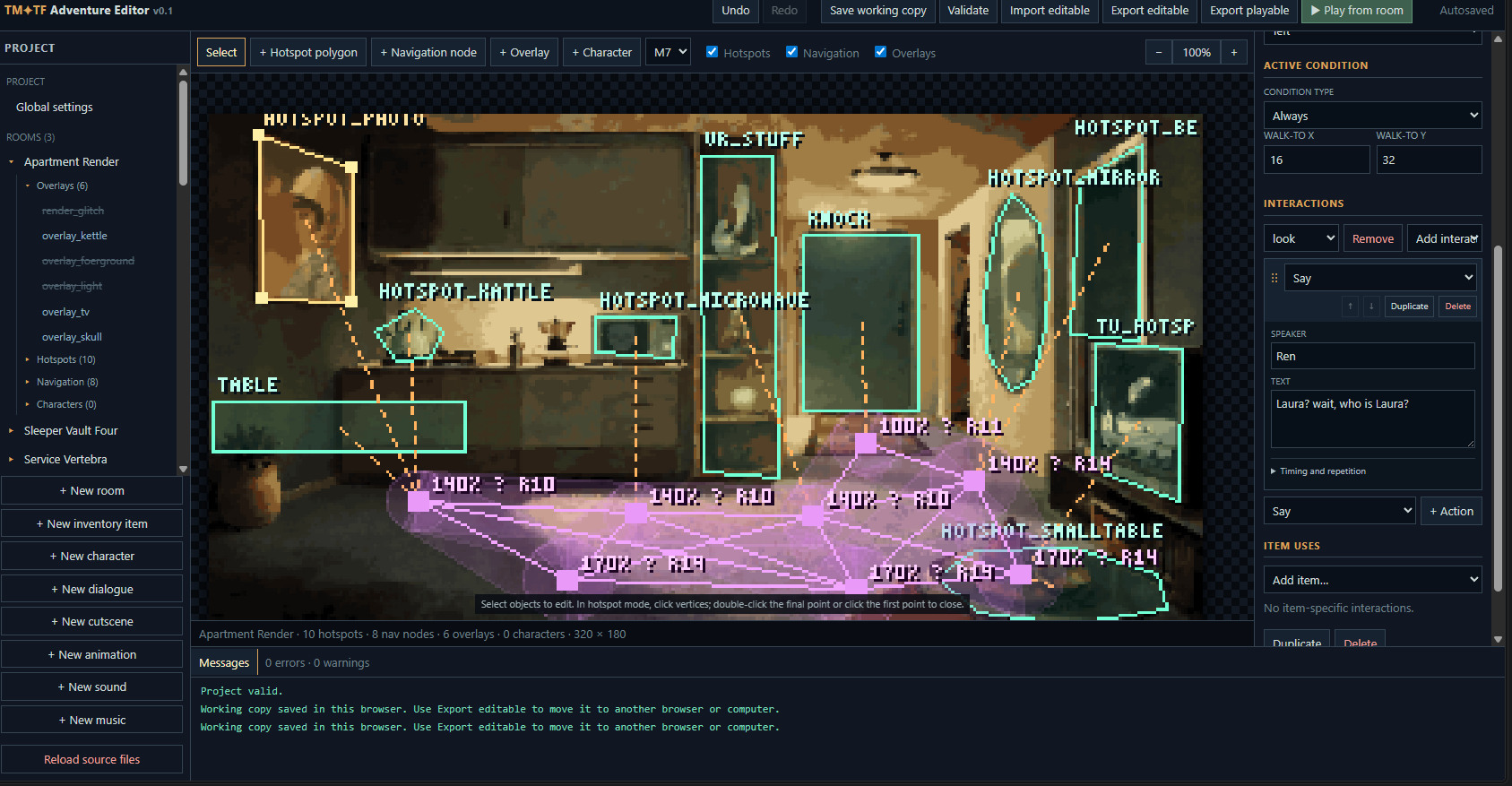
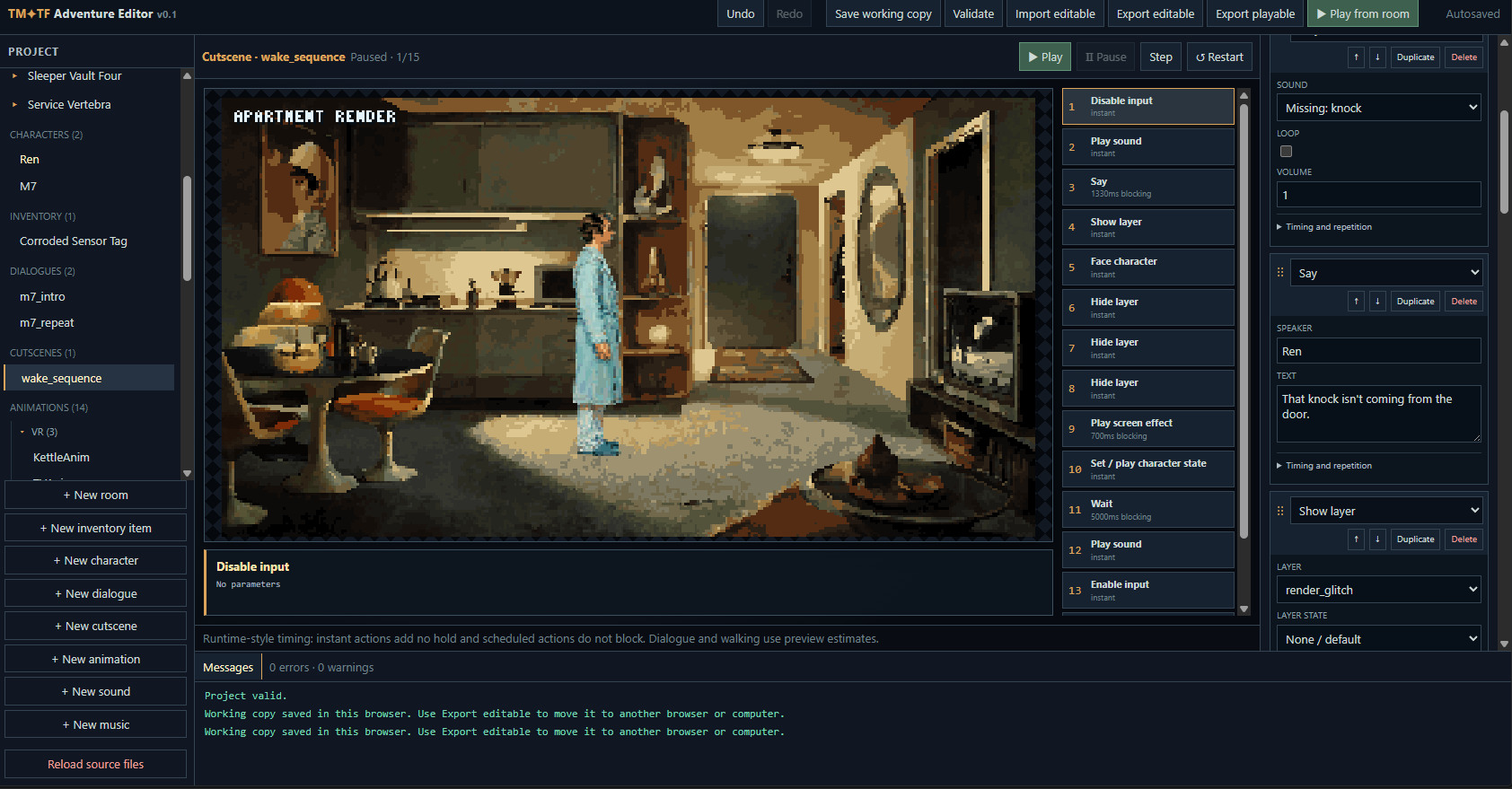
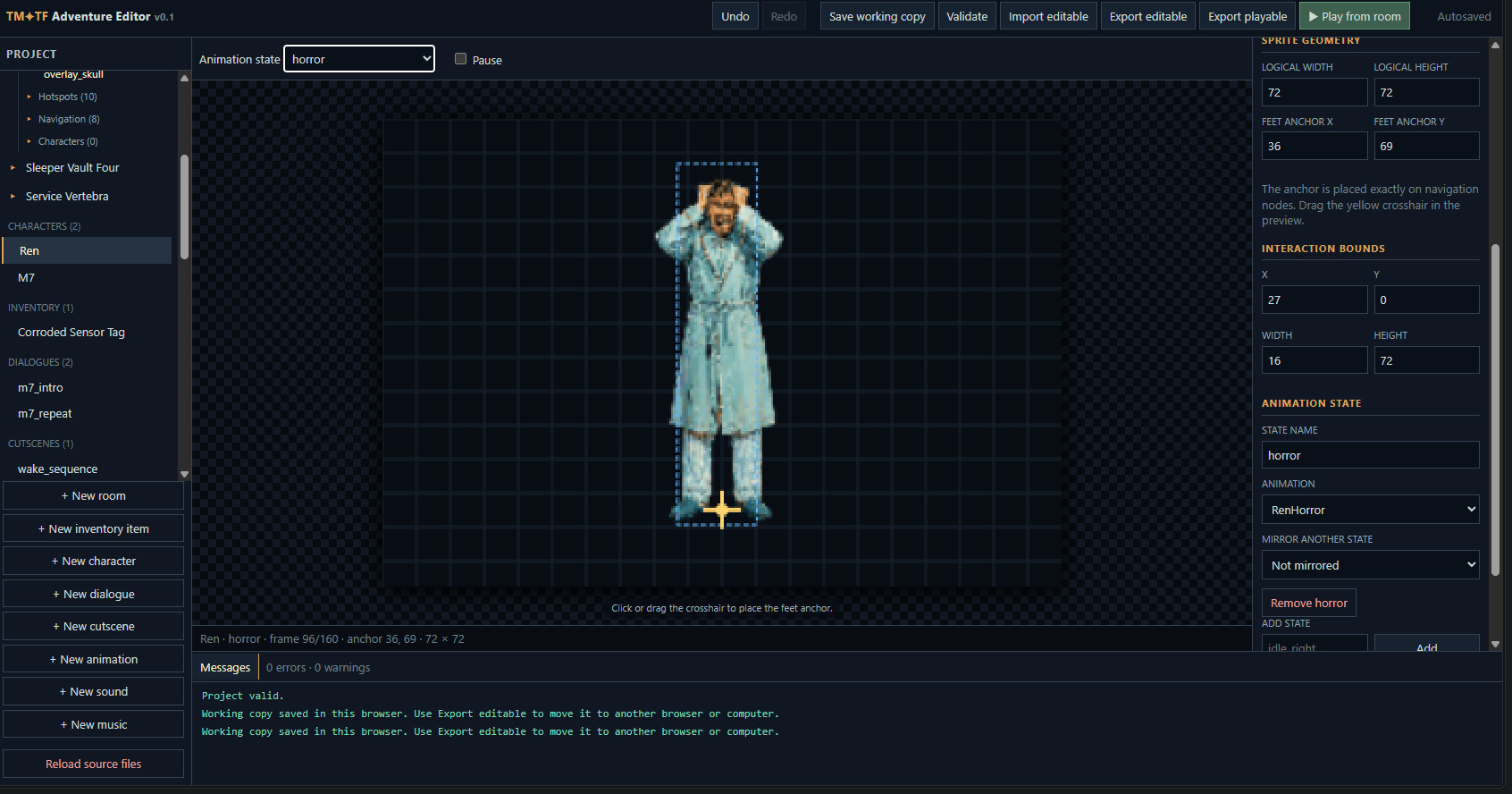
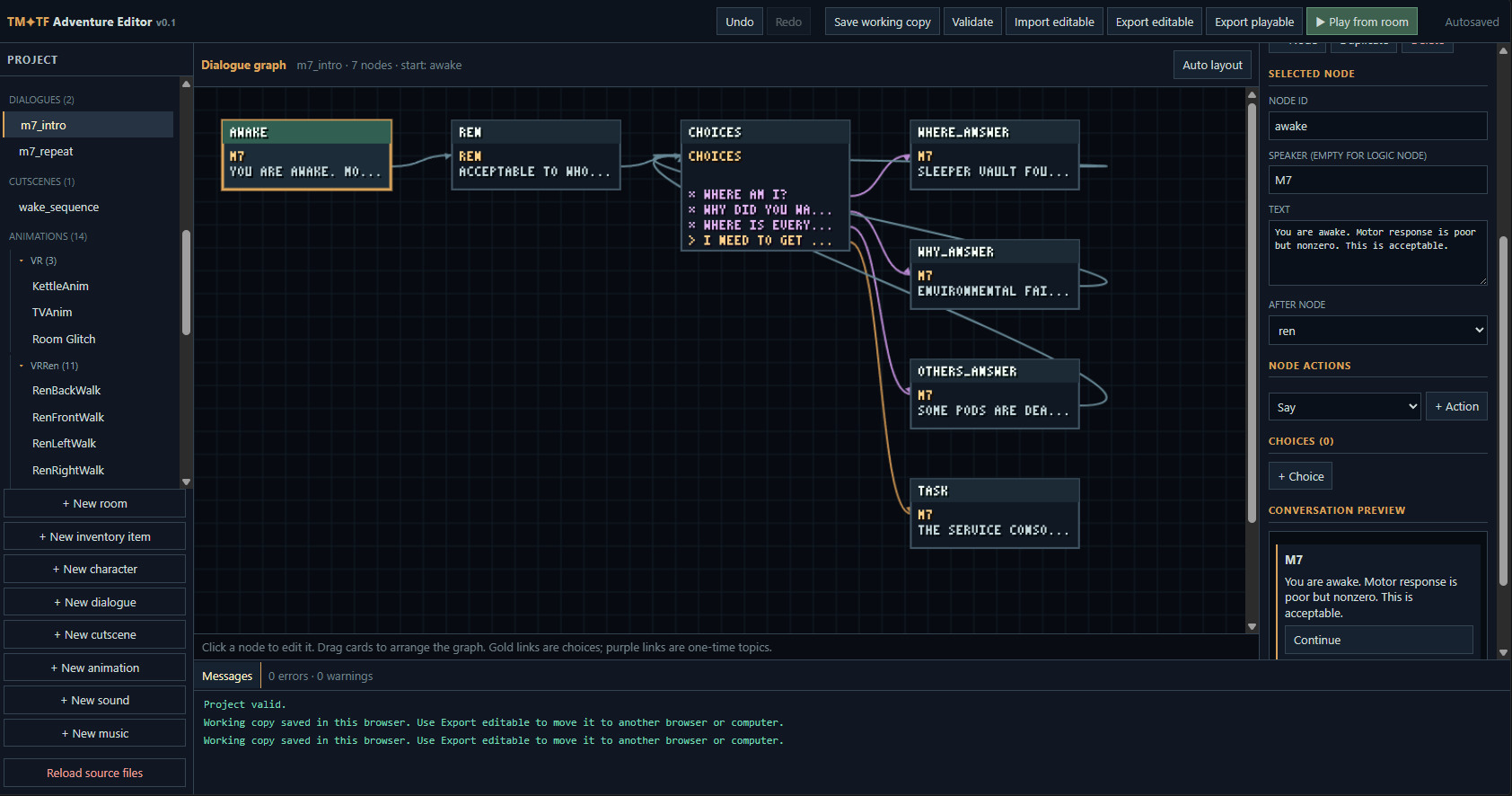
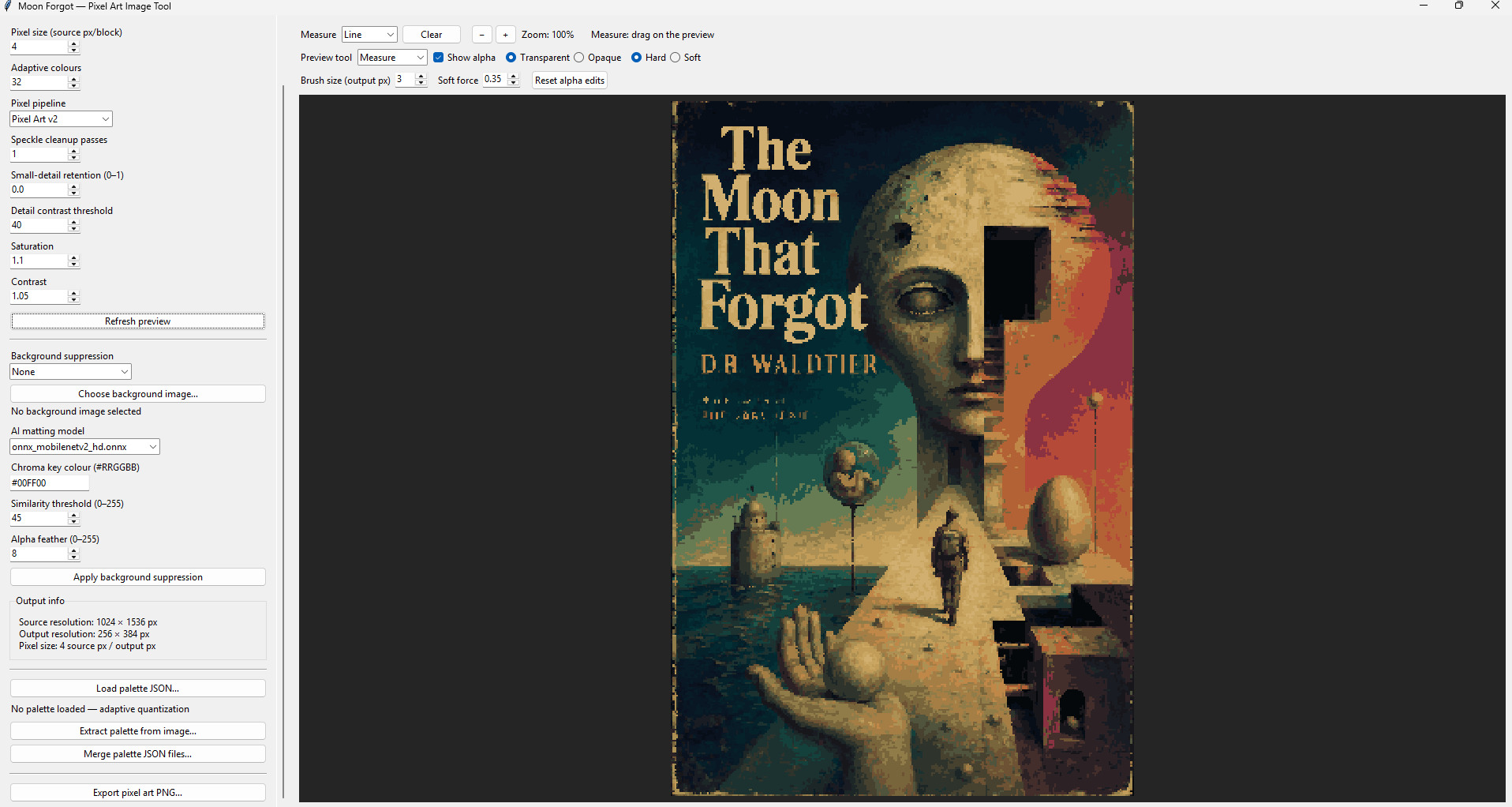
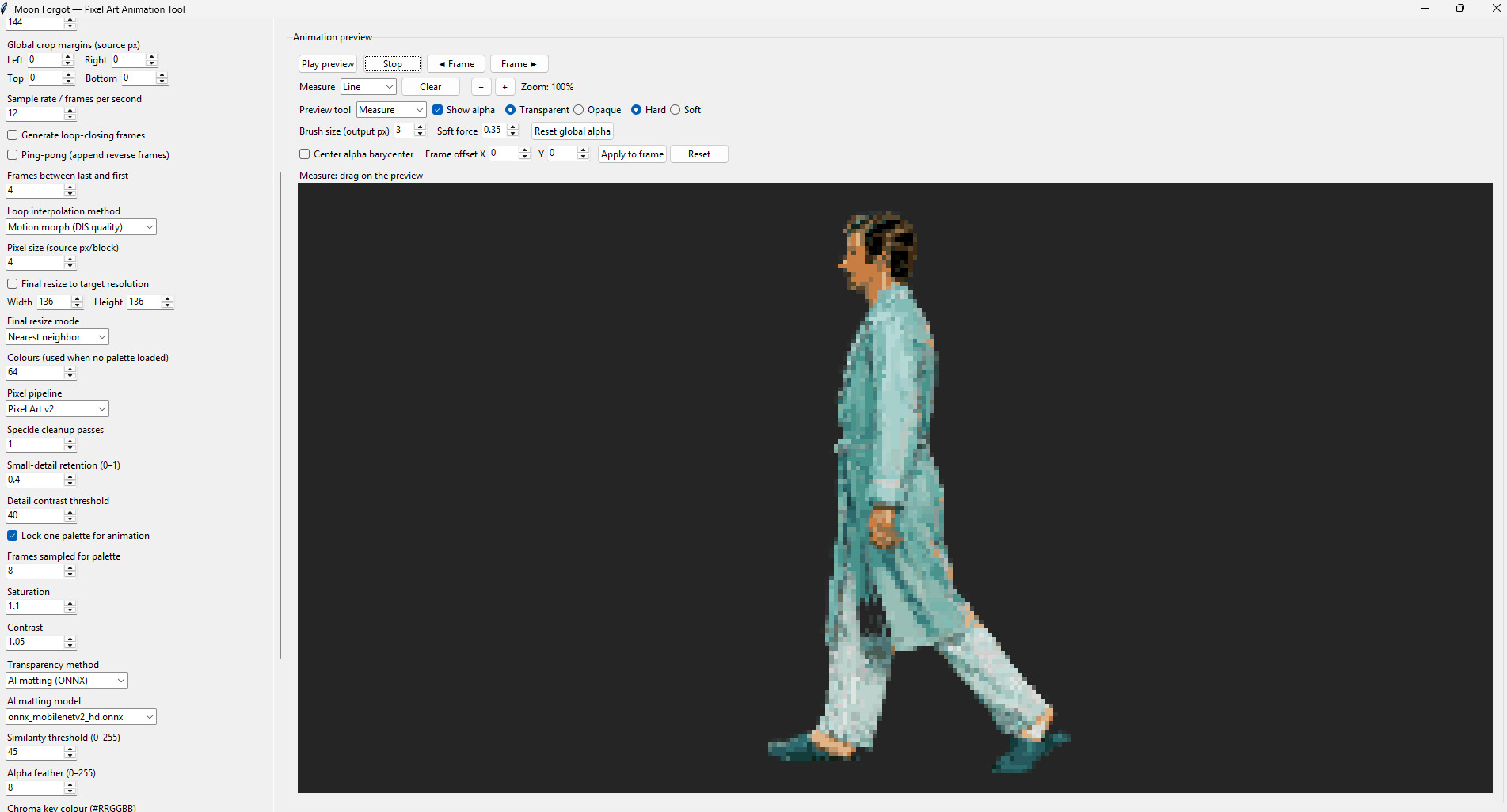
Here is a work-in-progress taste of the game’s first chapter!
Browser ports
These are unofficial, fan-made browser reconstructions created as technical and historical projects. Copyrights and trademarks in the original games and their assets belong to their respective rightsholders. No affiliation with or endorsement by those rightsholders is claimed.
Planned addition I’d like to do next are (in no specific order):
- SWIV.
- Banshee.
Alien Breed 3Dand maybe Alien Breed 3D 2. (done the first)- Lionheart (this is going to be hard probably given no source and a complex game).
- Legends of Valour.
- Hybris
- Battle Squadron (I really want to disassemble this and find out if there is an actual ending)
- Nitro
- Utopia
- Fightin Spirit?
- Super Hang On or Black Viper
- Lotus Turbo Challenge 2
Hired Guns
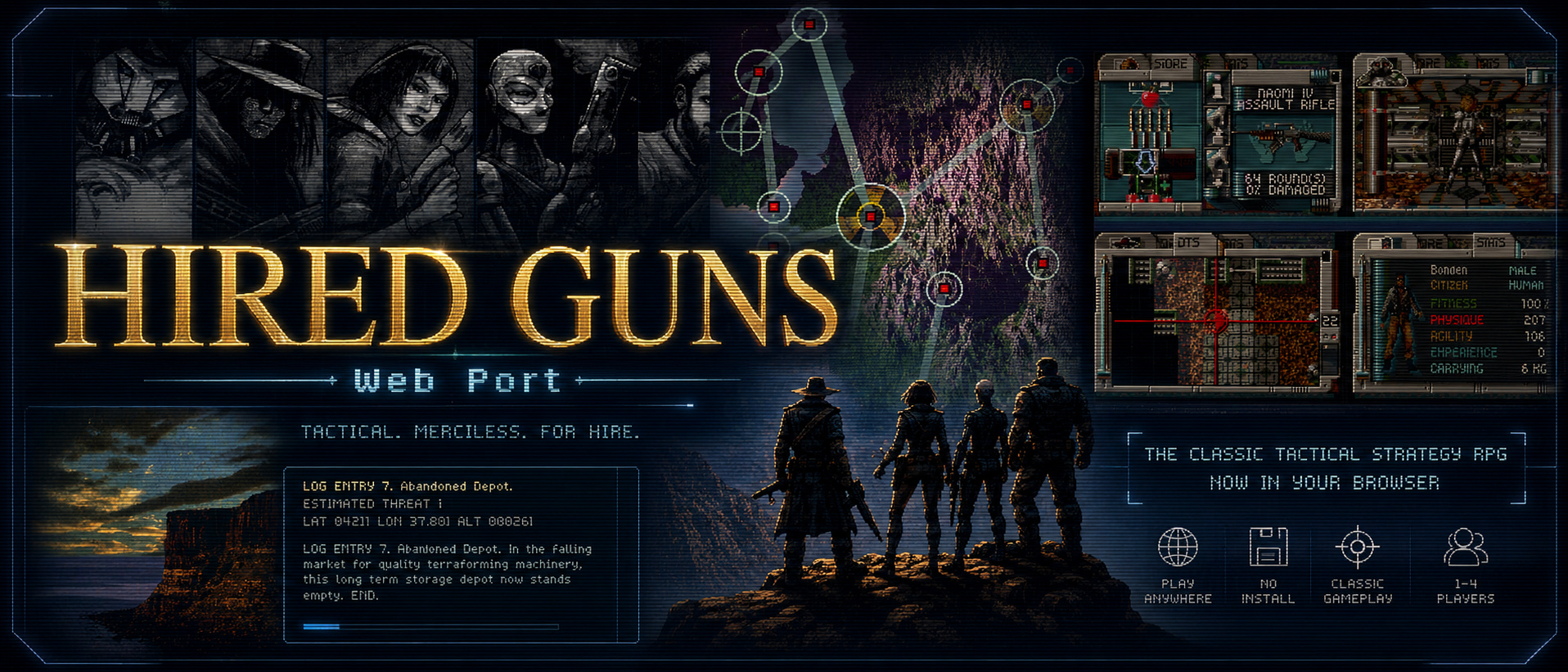
This is the “easy” port of the bunch — relatively speaking. The goal is still pixel-perfect fidelity to the original, and for once we have real material to work with: the full ASM codebase and a wealth of original assets. The game was also hard-drive-installable, so its art files are far easier to reach, even if still encoded and compiled.
That codebase comes from the unreleased Amiga CD32 build, shared with the community years ago by one of the game’s original programmers. I cross-checked it against gameplay footage, memory, and the Amiga 500 release running in WinUAE.
Opus 5 handled most of the heavy lifting, with Codex and Grok 4.6 pitching in. Every model contributed something, but the first two clearly carried the job.
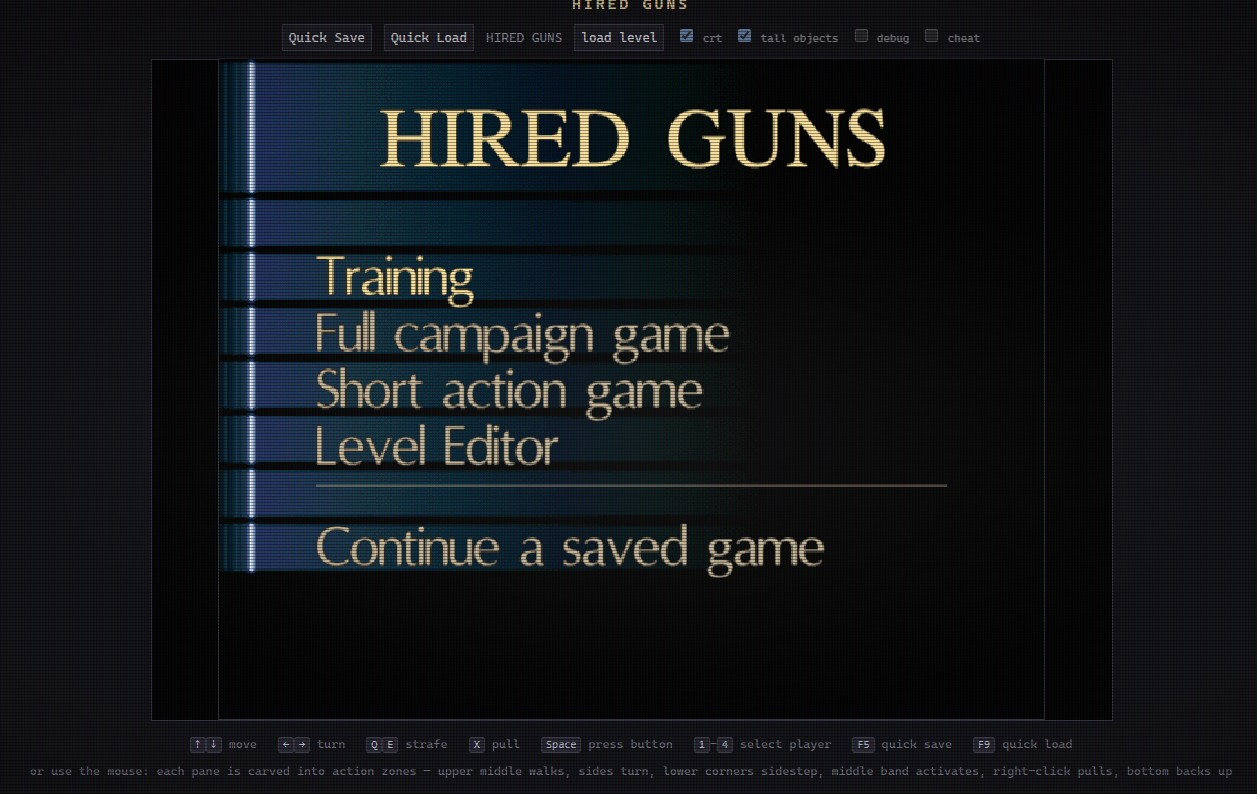
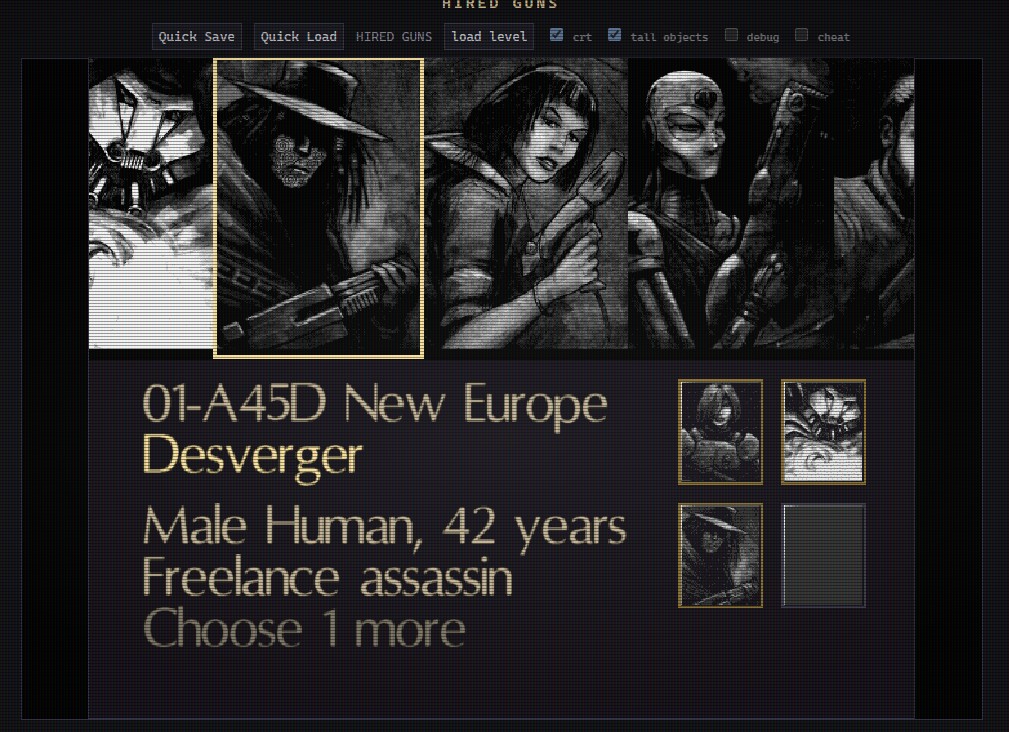
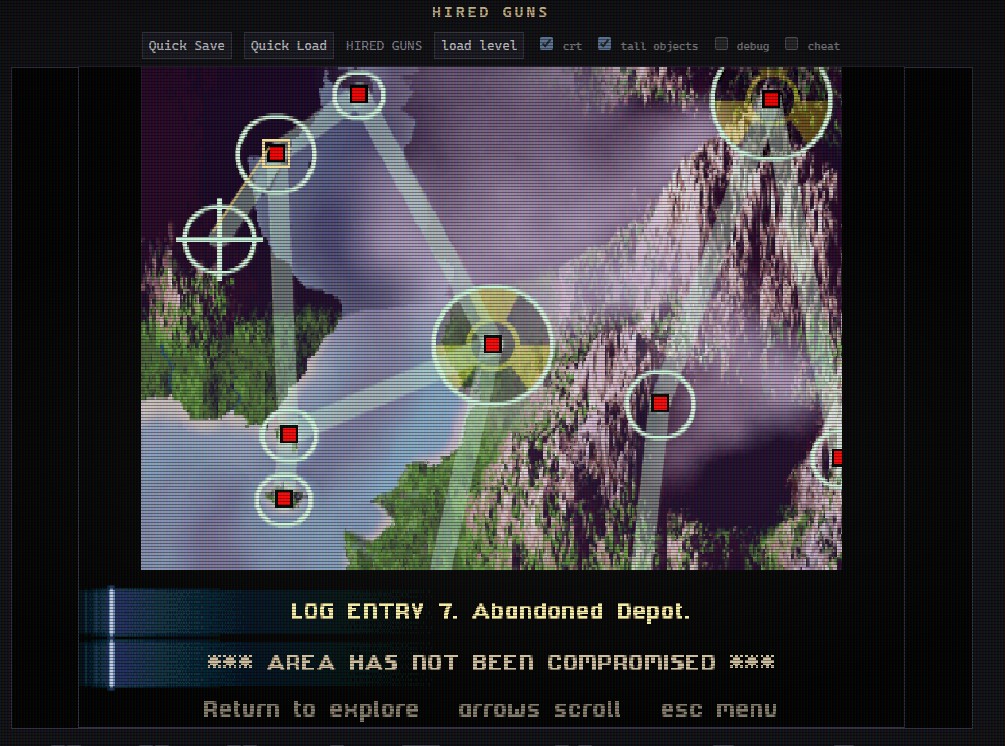
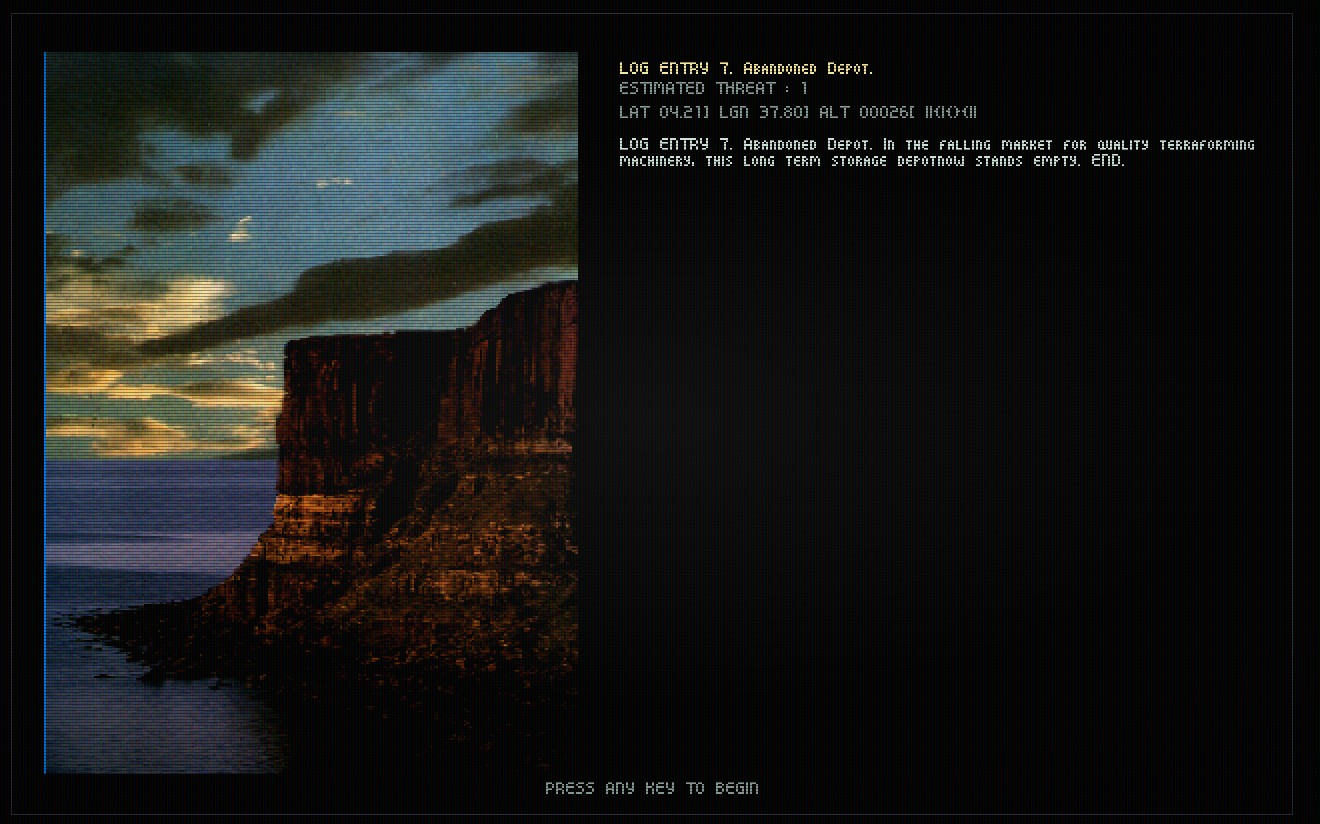
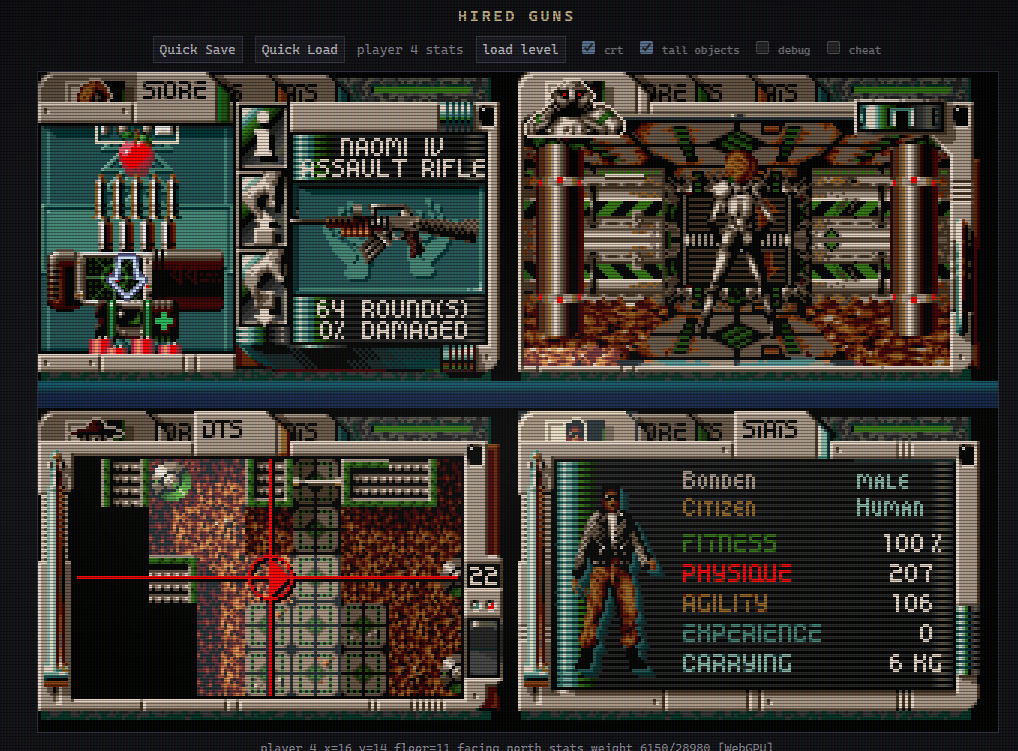
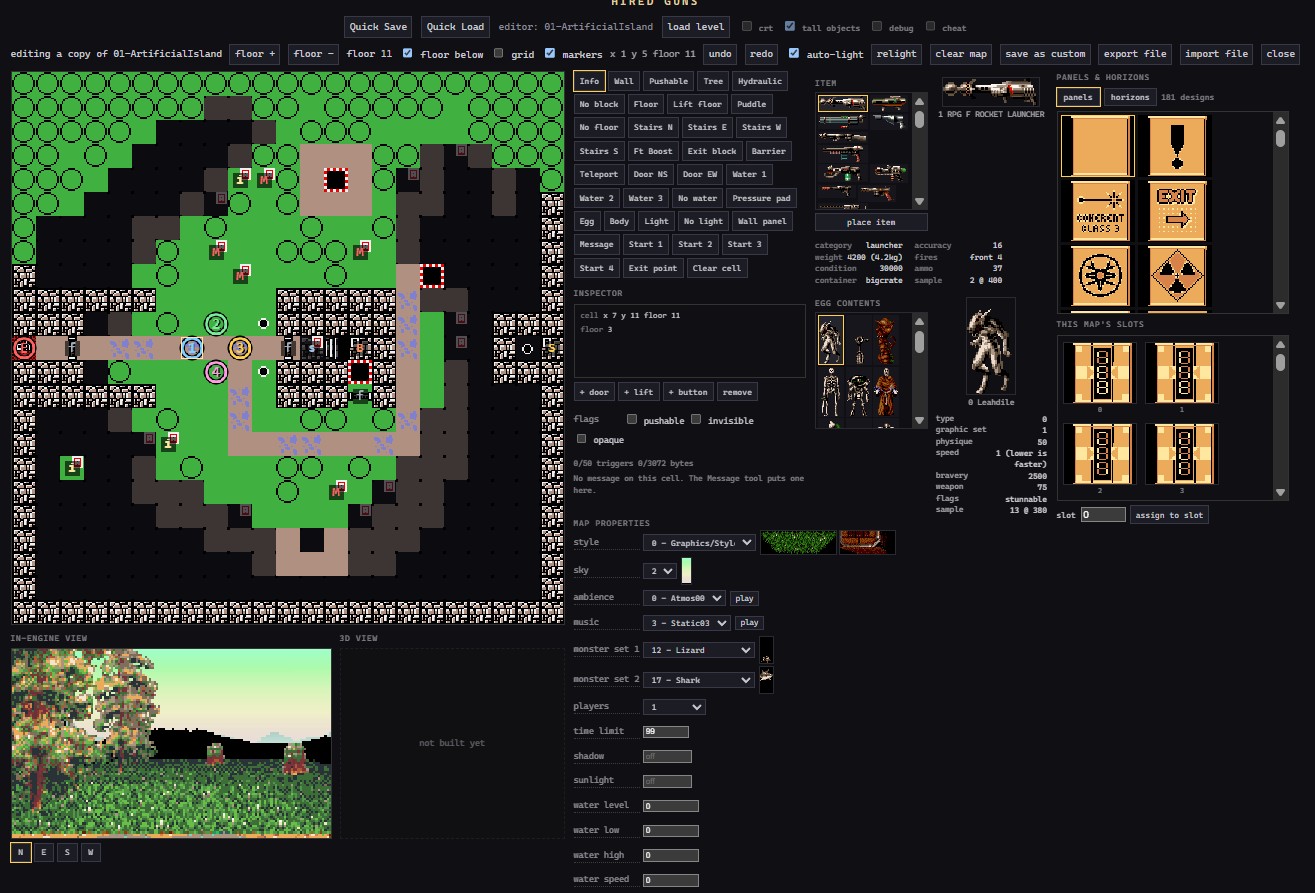
There is even a full level editor now, if you want to try it. I have other improvements planned. Stay tuned.
For the cool bits and technical details of the port, read the post-mortem:
Saint Dragon
This is an old side-scrolling shoot-‘em-up that I loved on the Amiga. It is a much harder port than Hired Guns because the only source material is an original IPF disk image and a cracked ADF image, with no source code or usable assets.
The project involved decoding the disk, disassembling the 68000 executable, and reconstructing the game’s sprites, backgrounds, palettes, sound effects, music, enemy behaviour, and stage logic. A partial Amiga emulator helped verify the discoveries, but the final game is a native JavaScript implementation rather than an emulator.
The post-mortem goes into the fascinating technical details of that process.
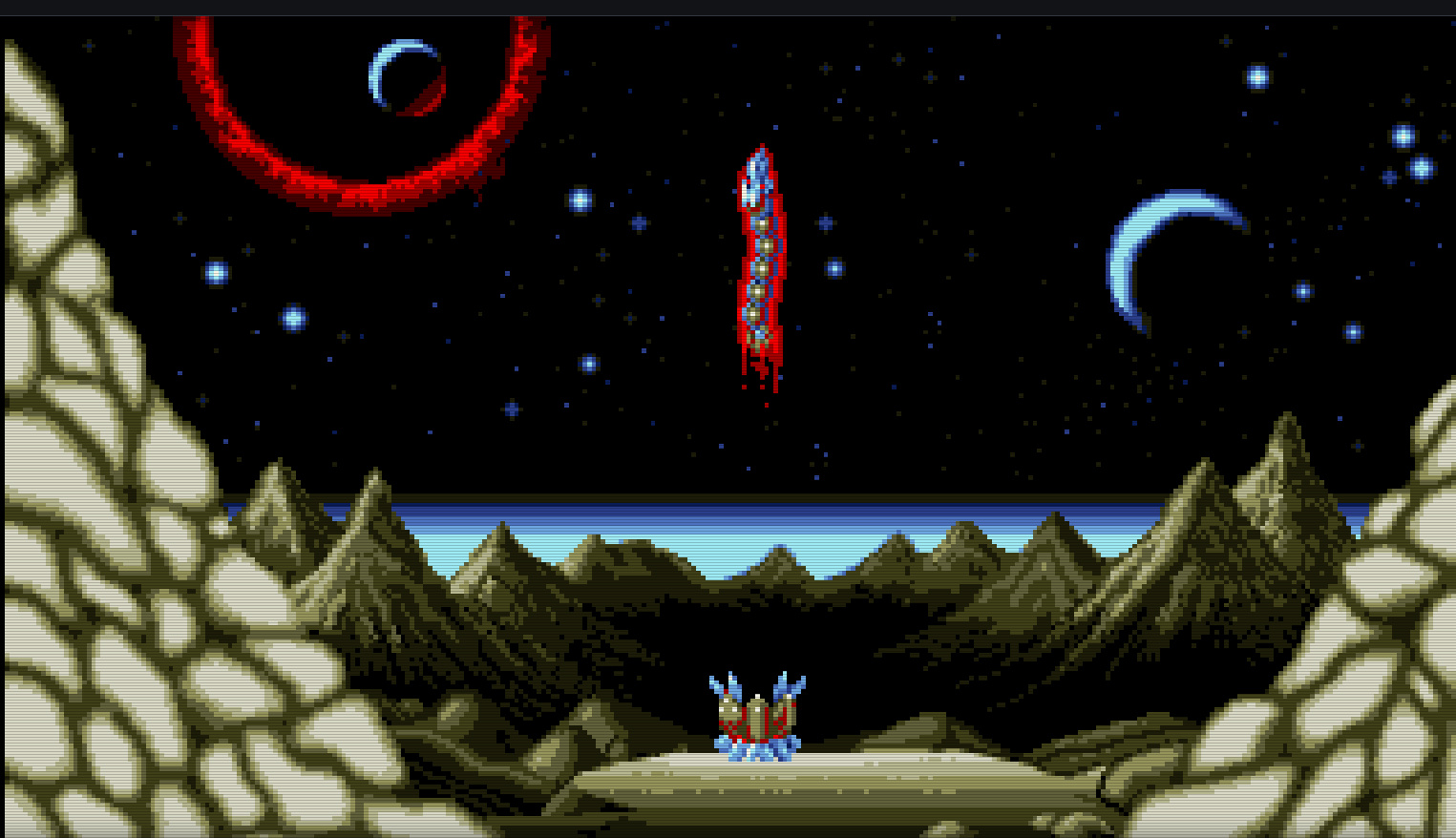
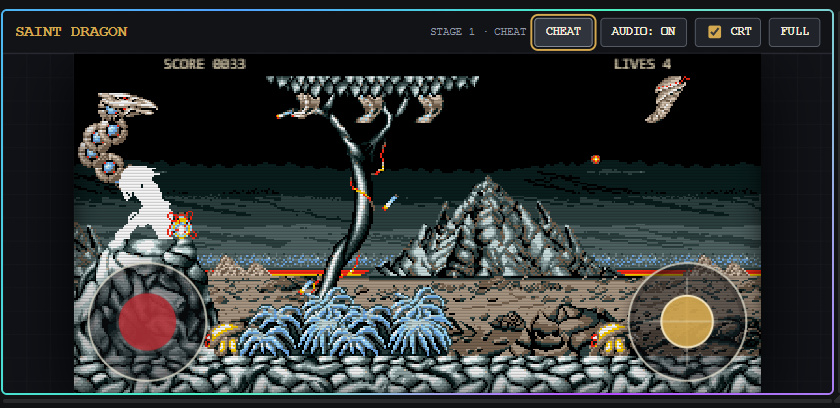
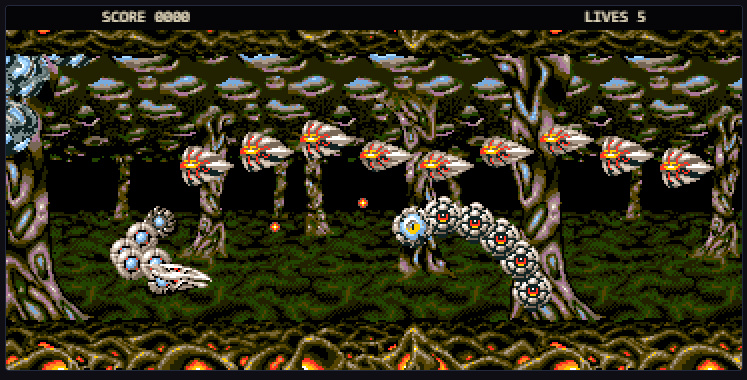
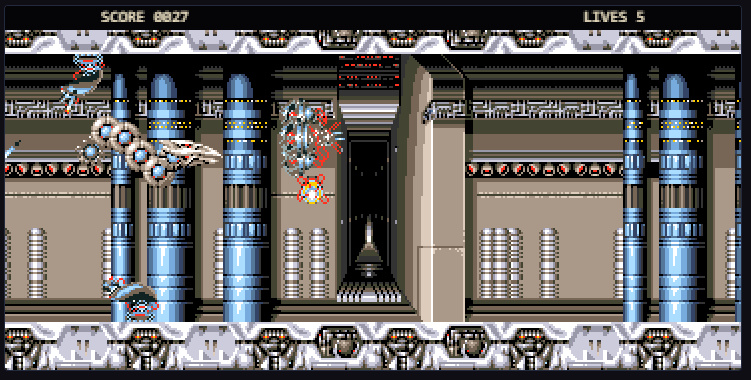
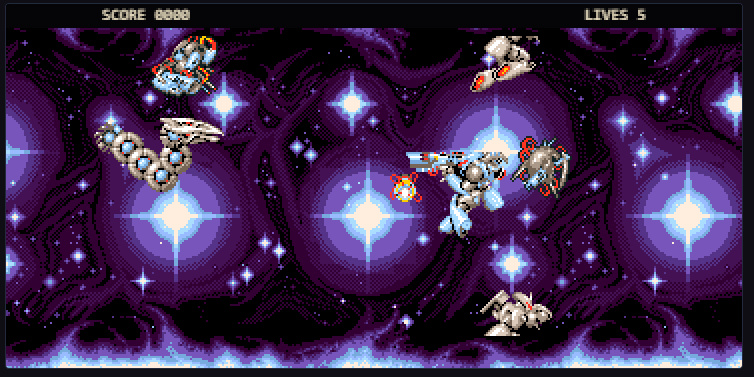
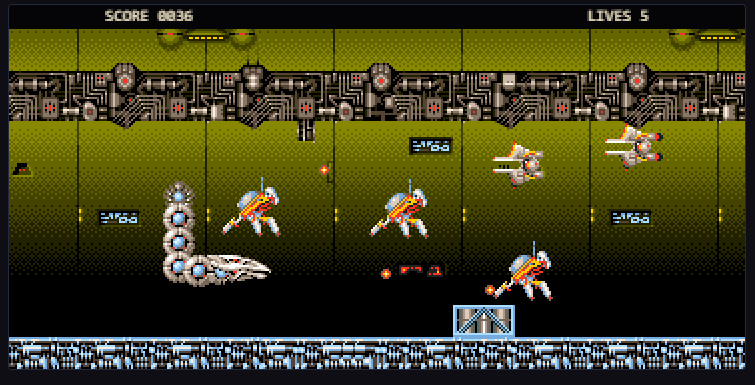
And here it is in all its glory:
Menace
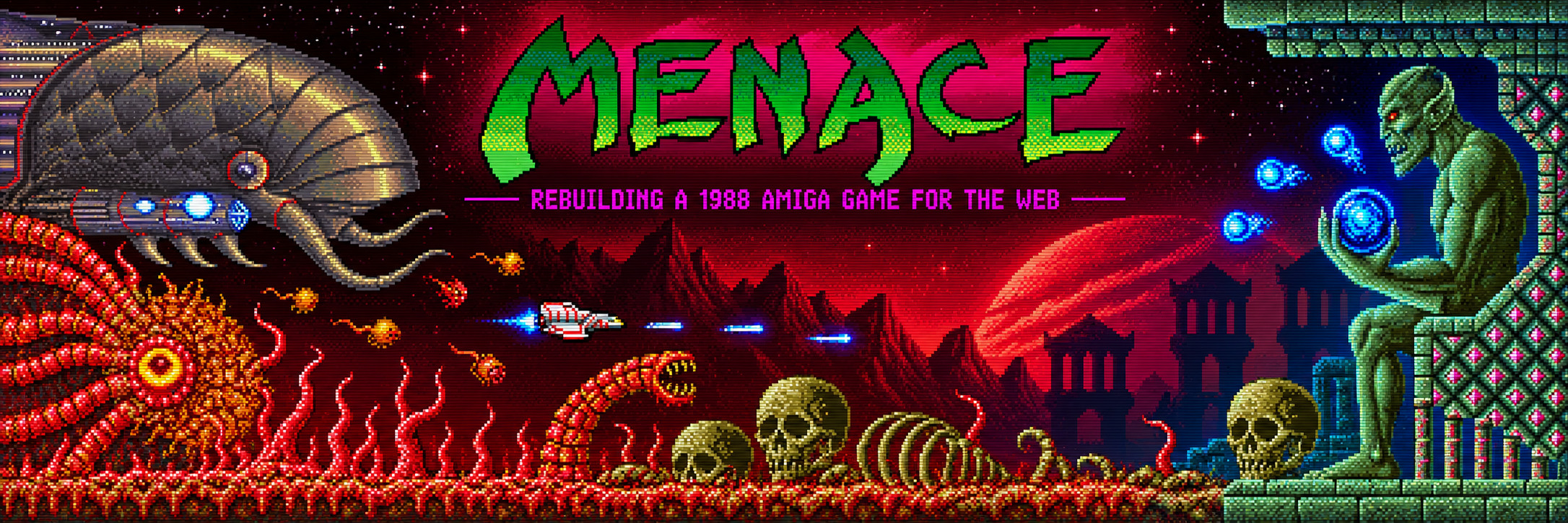
A complete browser reconstruction of Menace, DMA Design’s 1988 Amiga shoot ’em up, rebuilt directly from the original disk, executable and recovered game data rather than from screenshots or an embedded emulator. The port recreates all six levels, dual-playfield parallax, enemy waves, five weapons, powerups, guardian battles, music, sound effects, intro sequences, attract mode and the original ending flow. Along the way, the project uncovered some wonderfully strange internals, including bytecode-driven enemy choreography, live palette tricks, hardware collision rules and a HAM6 intro screen.

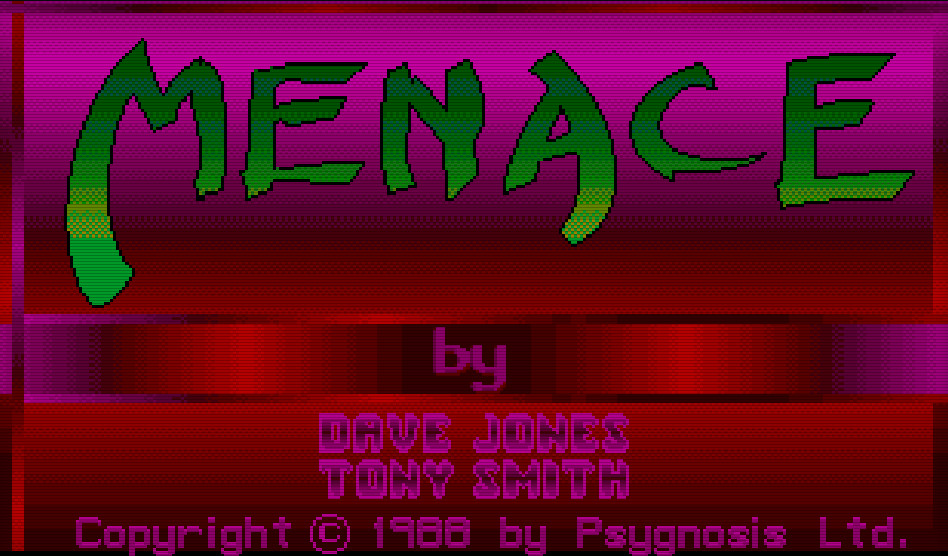
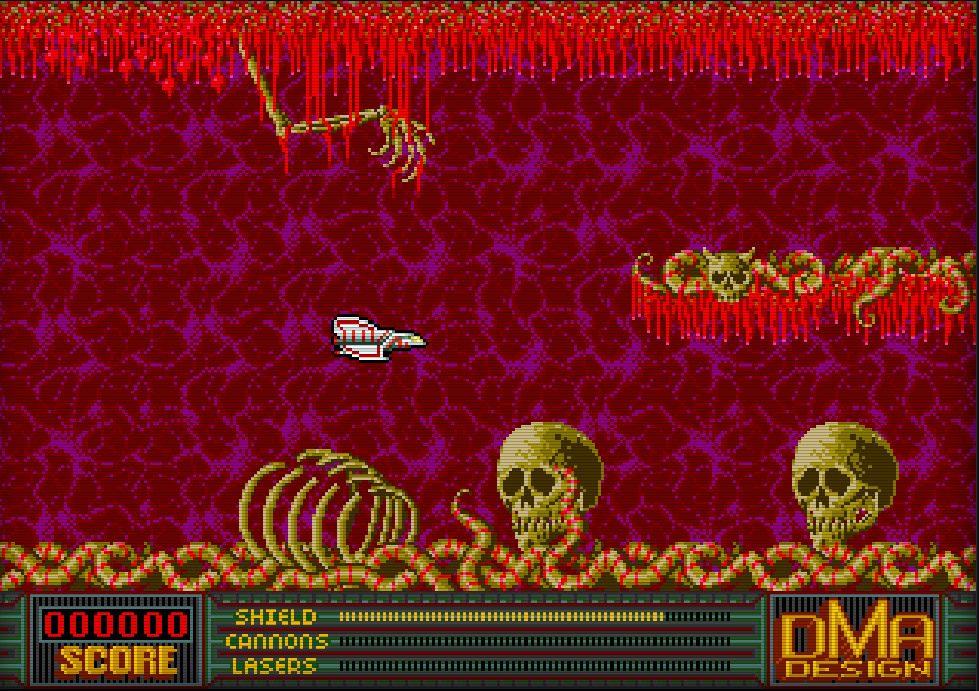
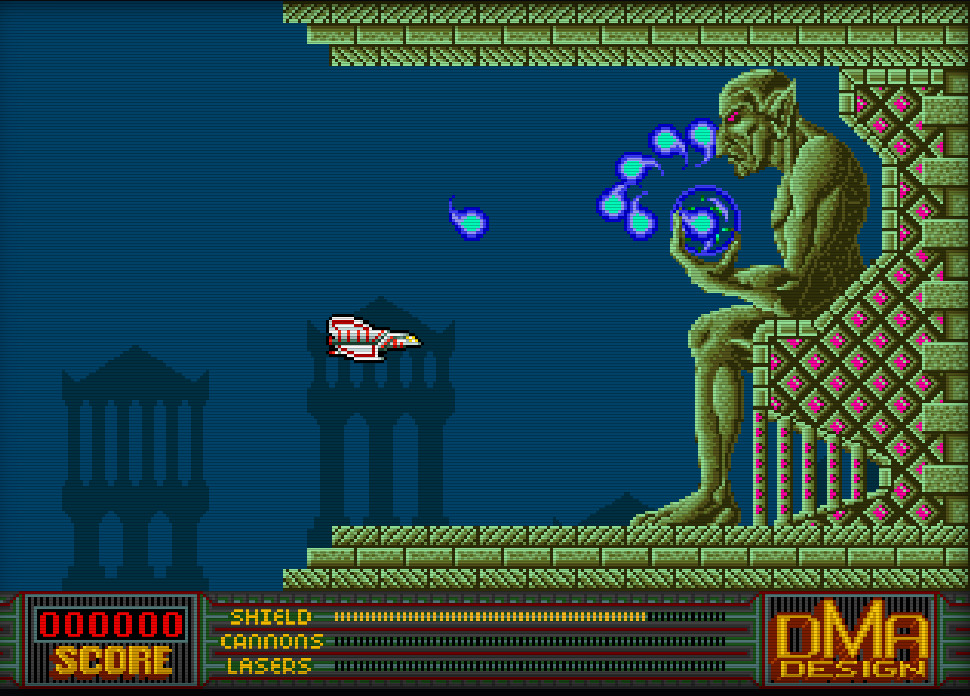
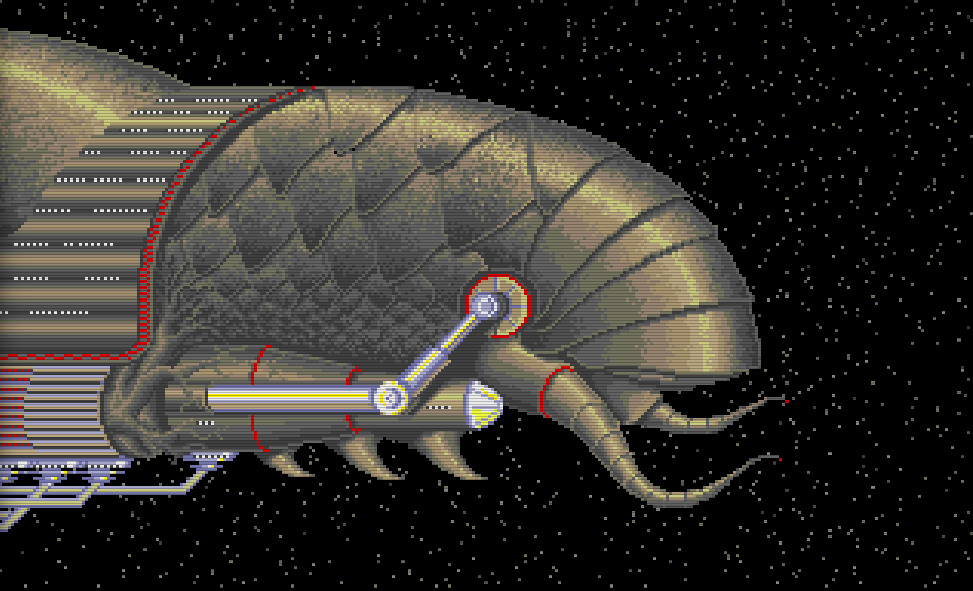
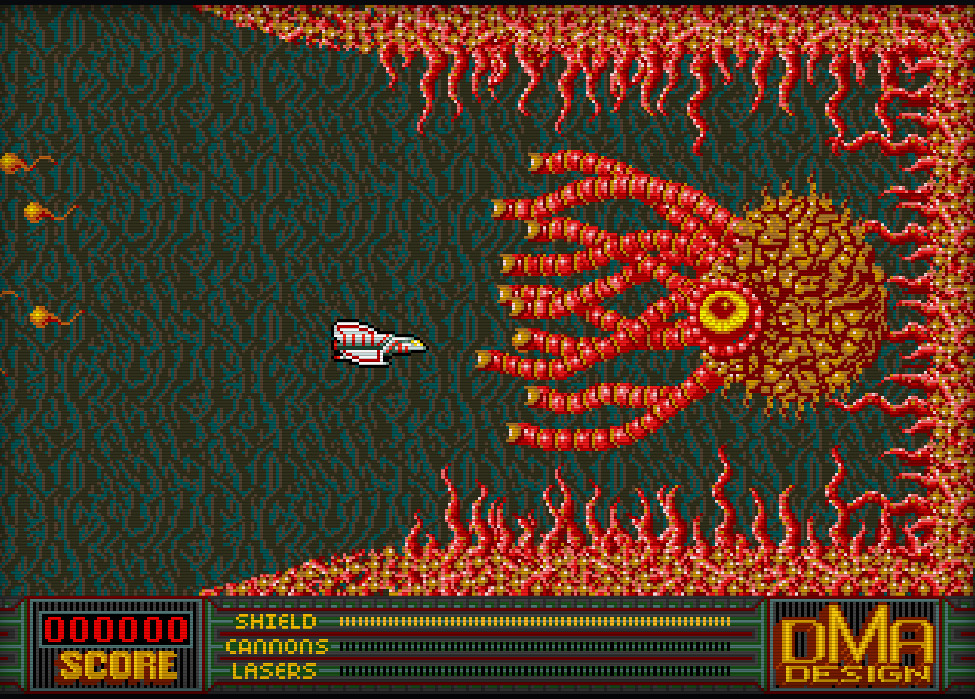
Here you can play it or read the super-interesting Post-Mortem:
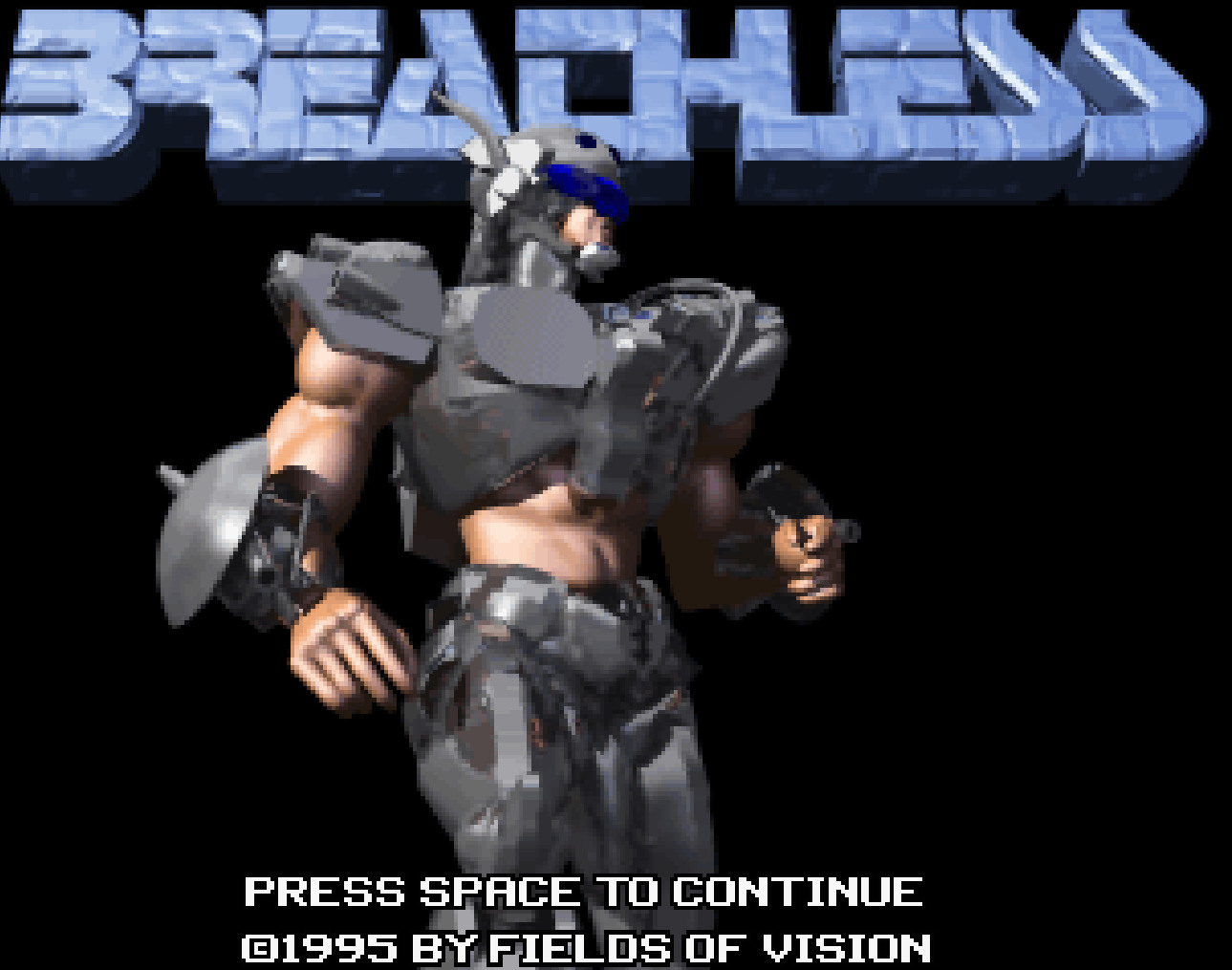
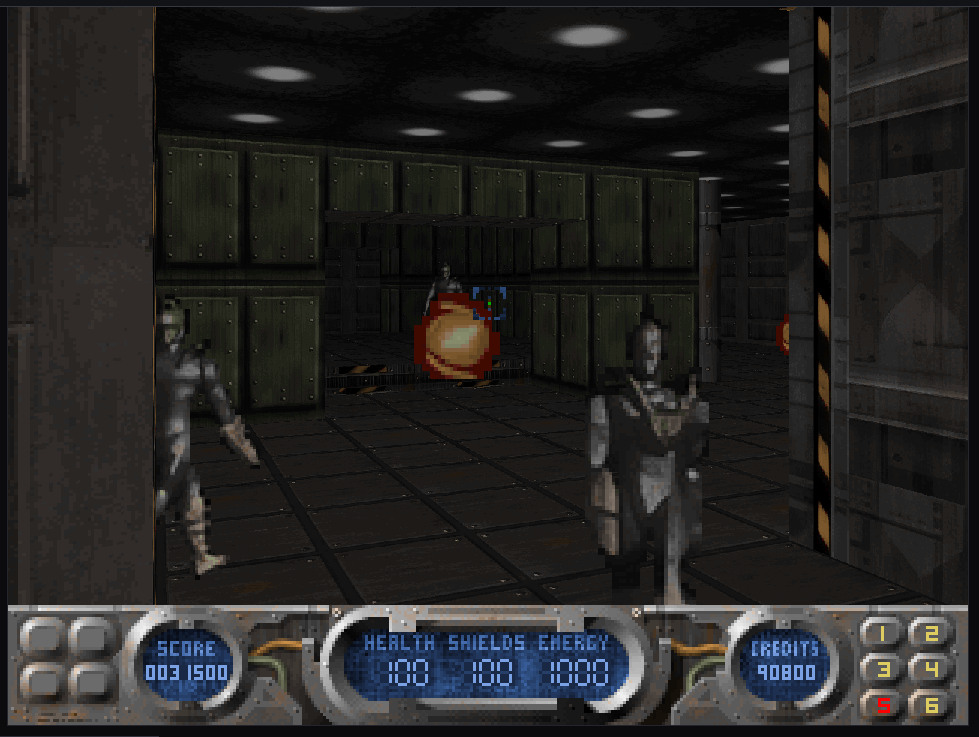
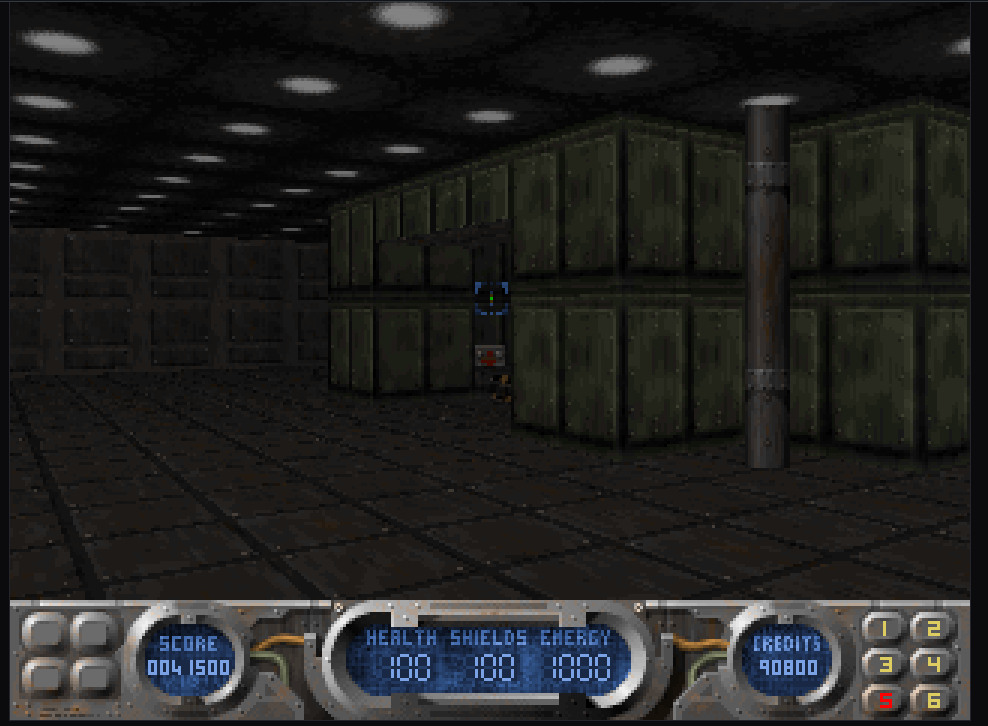
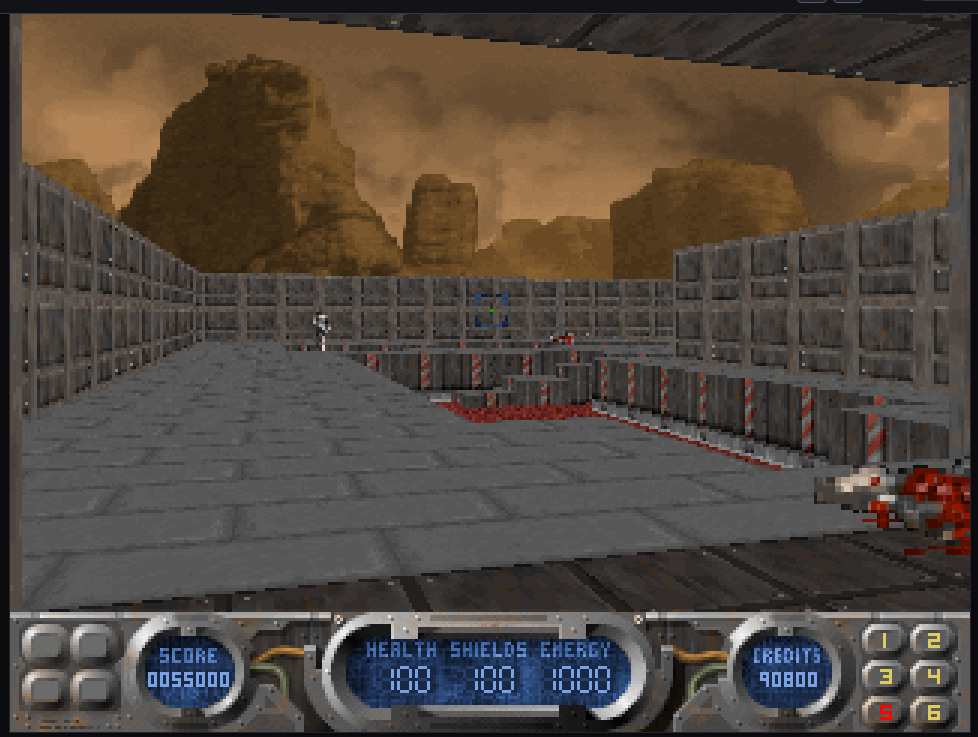
Breathless
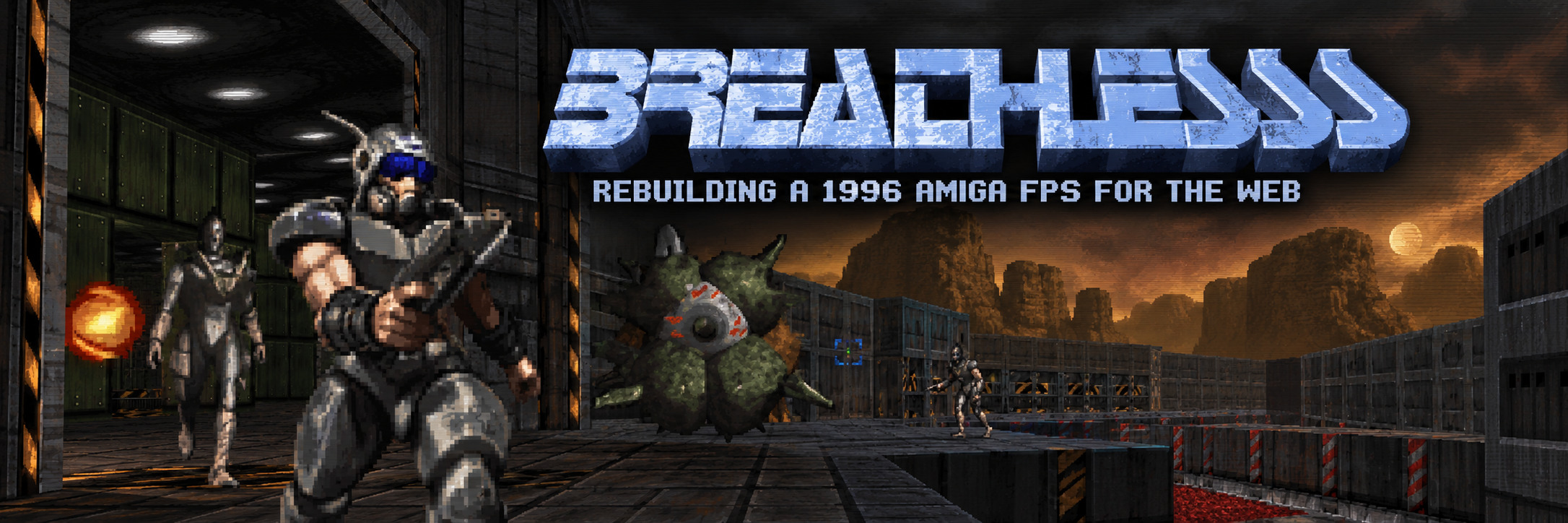
A complete browser reconstruction of Breathless, Fields of Vision’s ambitious 1996 Amiga FPS, translated from the surviving original 68020 source into JavaScript and WebGPU. All 20 levels, enemies, weapons, effects, textures, music and game systems are preserved, while the old Amiga-specific plumbing falls away. The result is both a playable port and a fascinating look inside an engine built around a grid raycaster, per-column visibility lists, palette-based lighting, moving floors and ceilings, and a huge amount of clever compromise to make a texture-mapped shooter run on 14 MHz hardware. The post-mortem goes into more detail about Breathless’s pseudo-3d engine and its differences with respect to something like Doom or Wolf3D. I made some QoL changes most notably in term of player control and higher resolutions support, but you can still play the game in its original 320*200 glory.
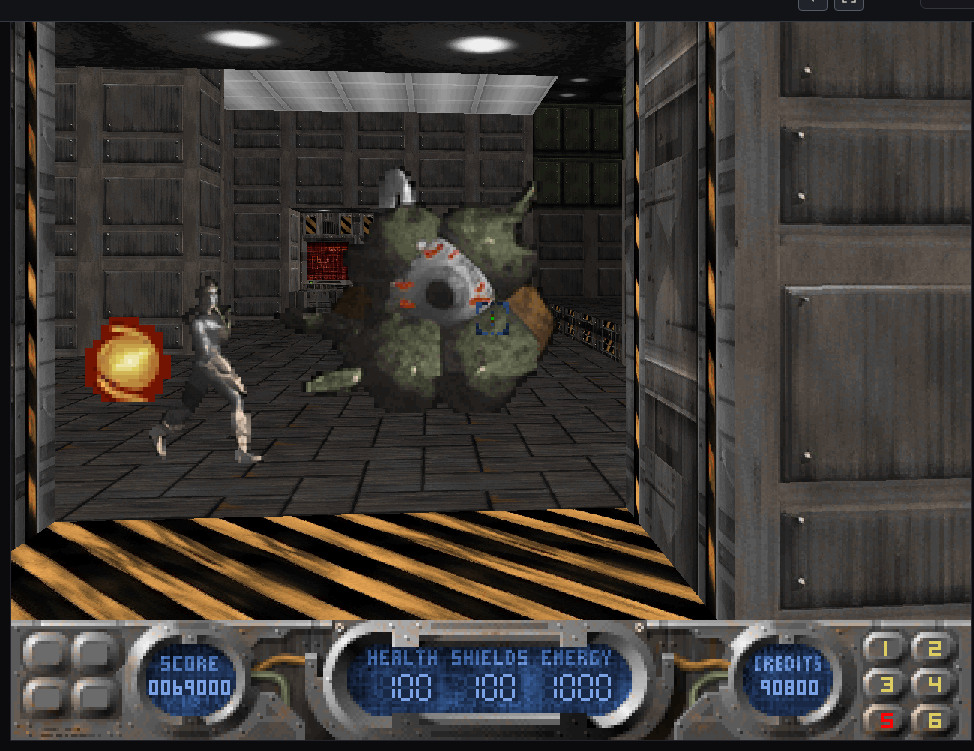
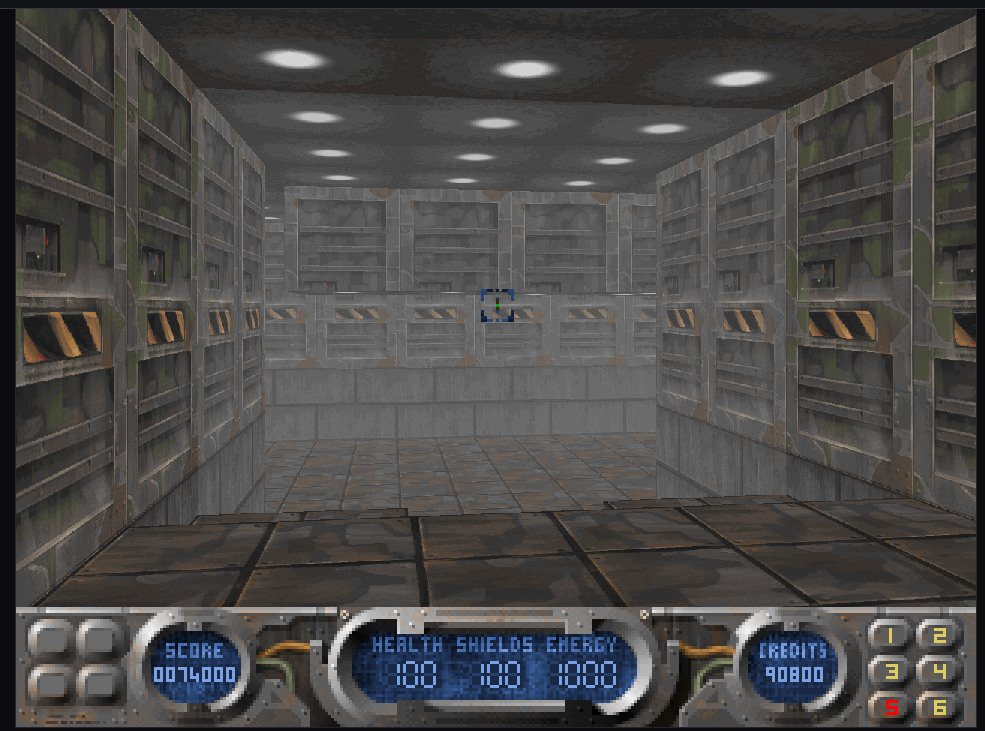
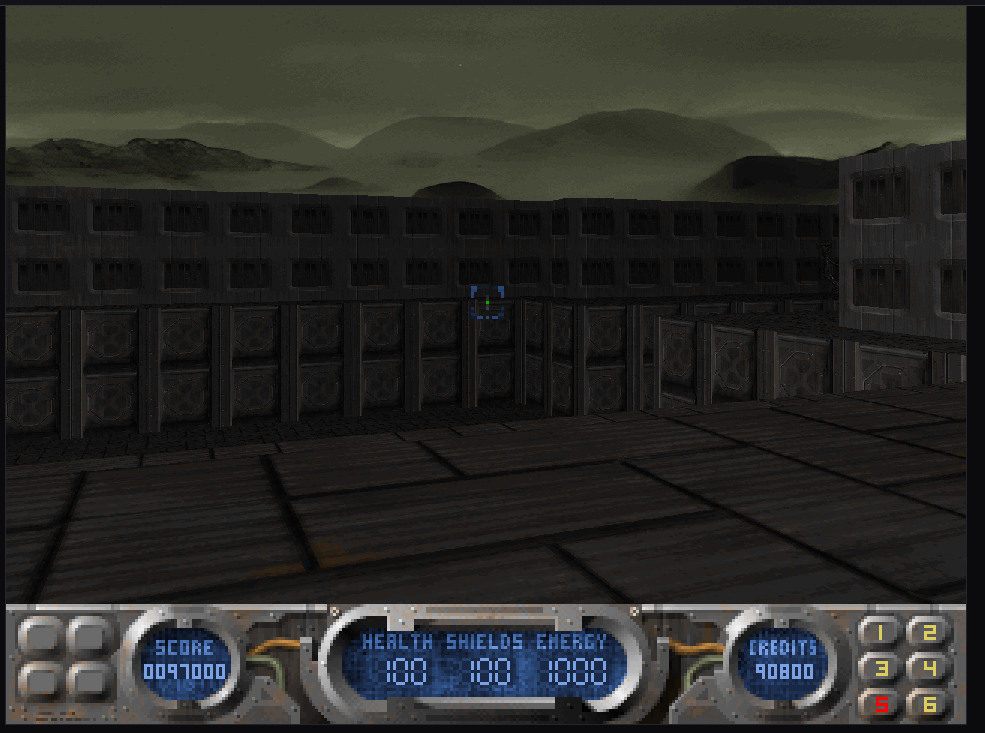
Here you can play it or read the super-interesting Post-Mortem:
Alien Breed 3D
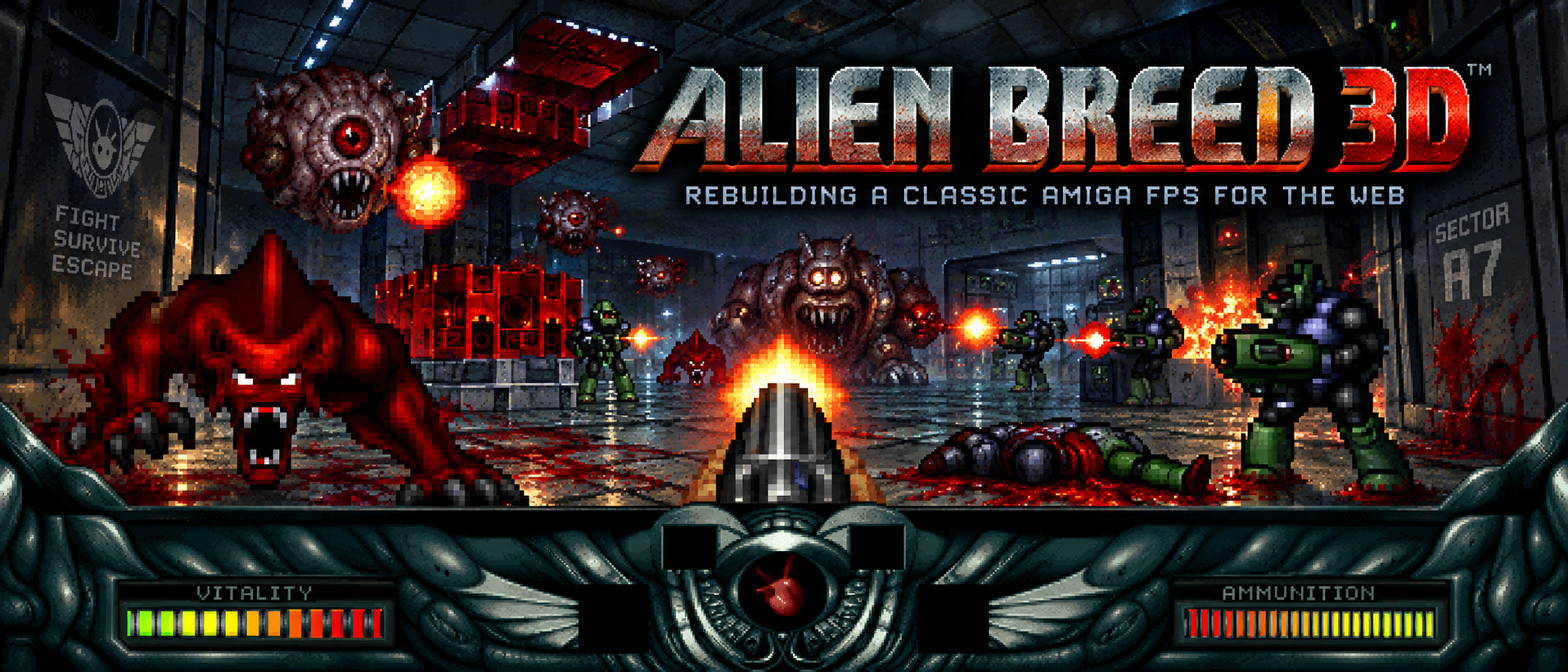
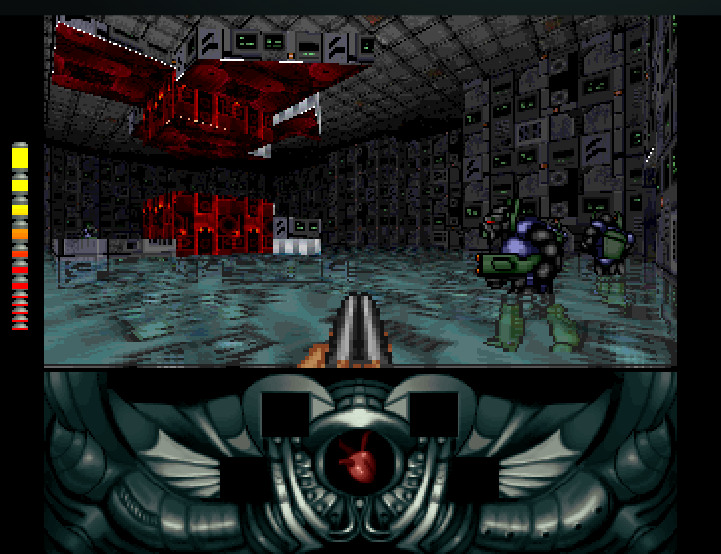
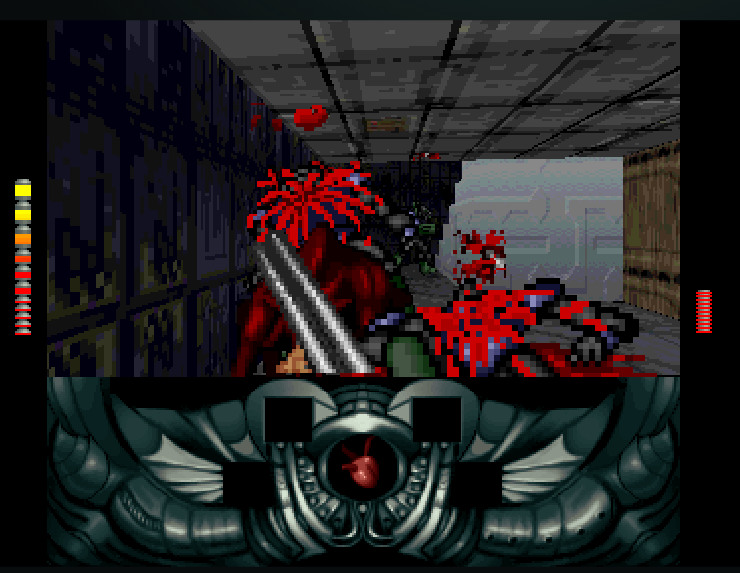
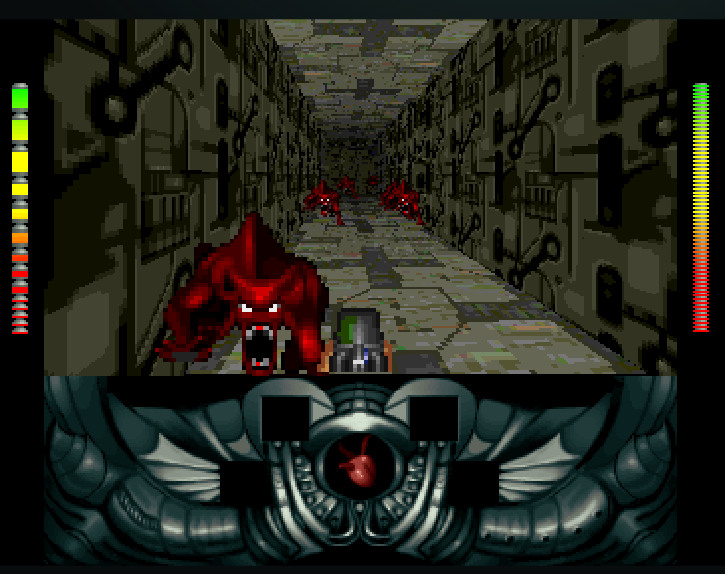
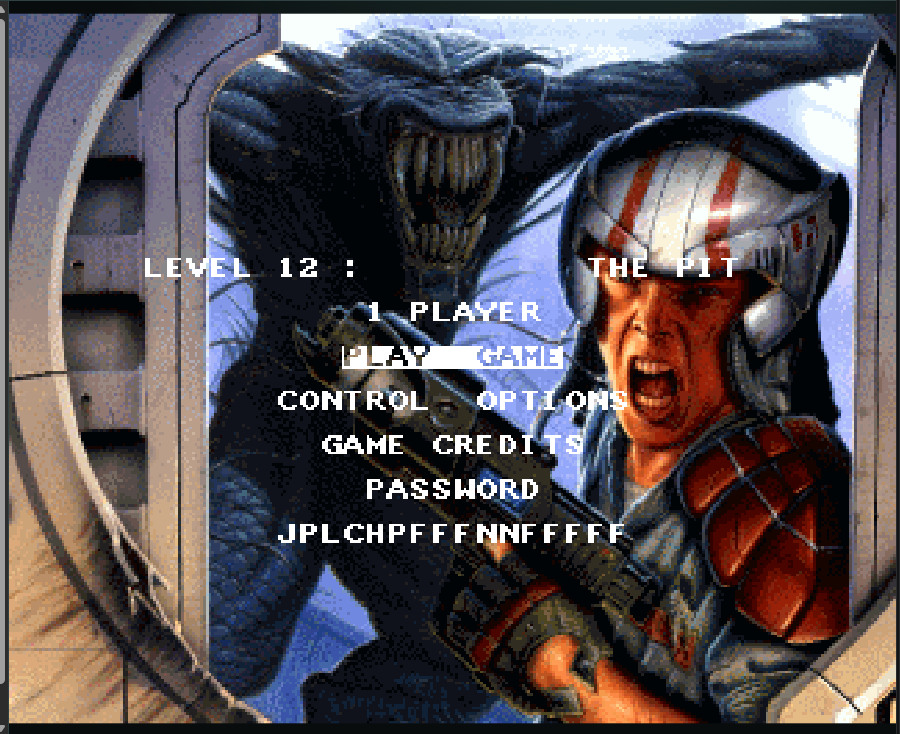
A complete browser reconstruction of Alien Breed 3D, rebuilt from a messy mix of surviving source snapshots, retail data, WHDLoad media and the shipped executable itself. Rather than simply translating one clean codebase, the project had to piece together what the 1995 game actually did when the surviving sources disagreed. The result restores all 16 levels, weapons, enemies, bosses, doors, lifts, pickups, audio, passwords and ending in native HTML/JavaScript, with no emulator required at runtime. It also preserves the game’s wonderfully unusual renderer, where the Amiga’s Copper is effectively used as a tiny direct-colour framebuffer, while adding optional sharp and enhanced browser display modes alongside the faithful original presentation.
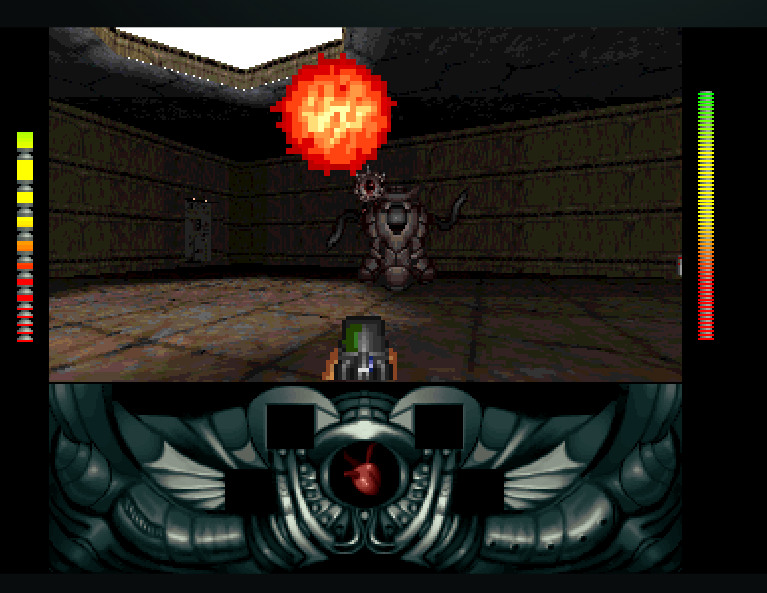
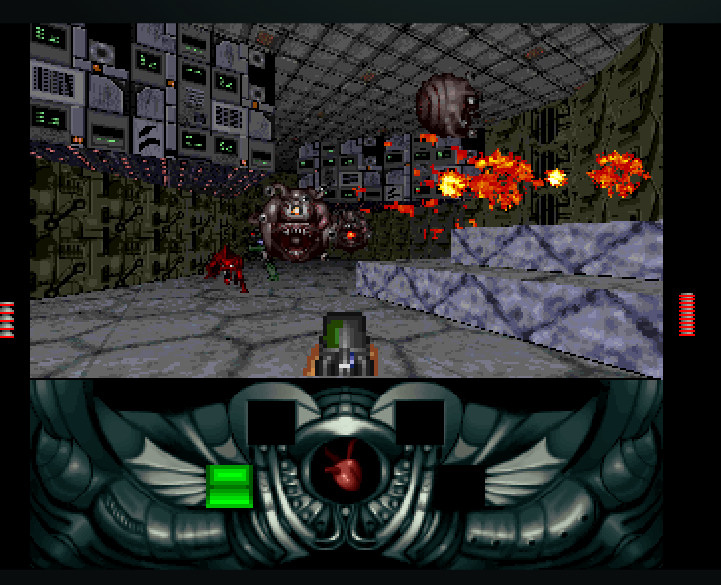
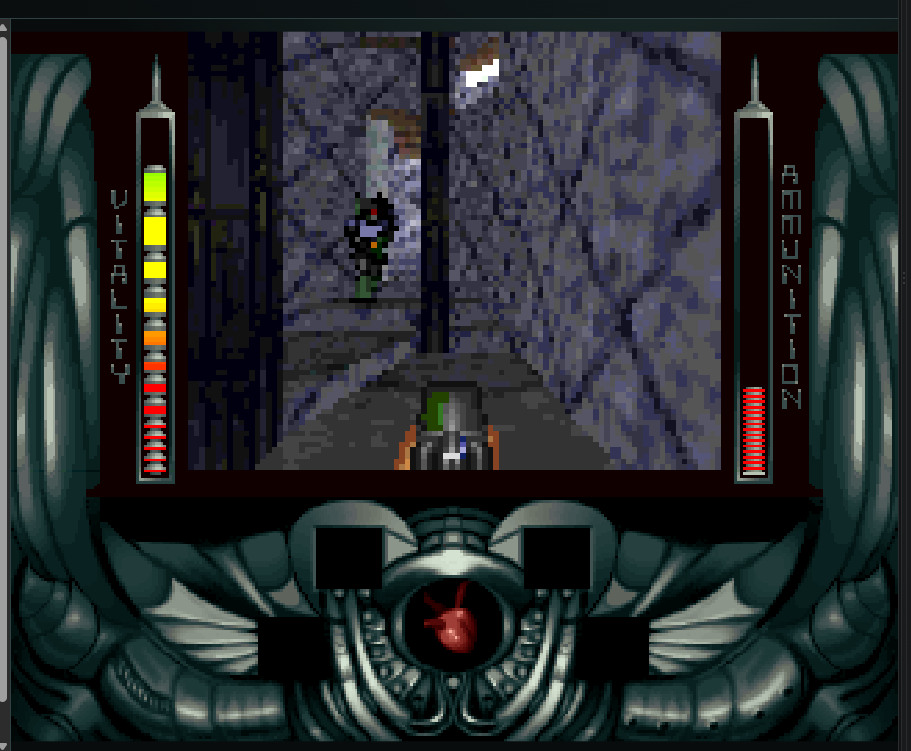
And here you can play it or read the post-mortem:
Talk about the games
Share feedback, ask questions, suggest ideas, or vote in a poll in GitHub Discussions. A GitHub account is needed to post.
Comments on this page
The Waldtier Dispatch
New books, game releases and behind-the-scenes notes, about once a month. No spam.